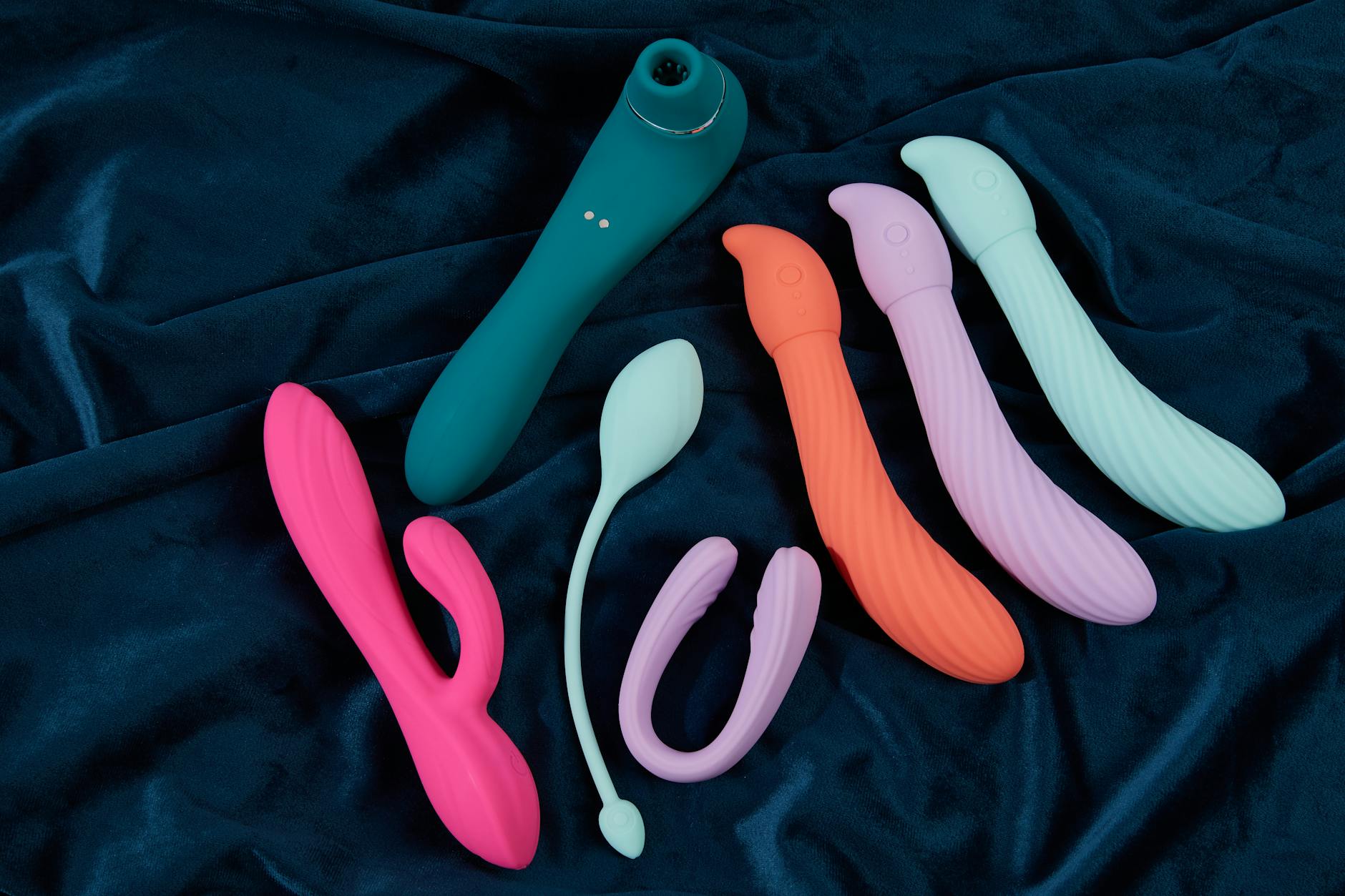
Here's the thing: when a partner shuts down the idea of adding a vibrator to your sex life, they're not actually worried about the vibrator. They're worried about what it means about them.
The conversation usually goes like this. You mention a lemon clitoral vibrator. They hear "you're not enough." You say "it's about adding sensation." They hear "I'm bored with you." You try to reassure them. They dig in harder. The whole thing becomes defensive, and suddenly you're both more distant than before.
I've worked with dozens of couples stuck in this loop. The fix isn't better sales pitch. It's a completely different conversation.
Most partner resistance comes from one of three core fears. Naming which one is playing out changes everything.
Fear 1: Replacement anxiety. The belief that a toy means you'll prefer it to them. This is the biggest one I see. In their mind, if a lemon vibrator can give you pleasure, why do you need them? It feels like evidence they're failing you.
Fear 2: Inadequacy about their body or technique. They assume the toy is there because they're not skilled enough, not attractive enough, not enough in some measurable way. The vibrator becomes proof of their shortcoming.
Fear 3: Loss of control or novelty. Some partners feel like sexuality should be just between the two of you, or worry that introducing tools changes the dynamic in ways they can't predict. It feels risky.
Your job before you even mention a lemon vibrator is to figure out which one is actually driving the resistance. Ask directly: "When you think about me using a vibrator, what specifically worries you?" Listen without jumping to fix it. That's the real conversation.
Here's what actually helps: showing them that a lemon clitoral vibrator isn't a replacement for them. It's not even really about them.
A vibrator is a sensation. You use it alone or with a partner to access kinds of stimulation your hands or body can't provide. That's the whole story. It has nothing to do with desire, attraction, or satisfaction with your partner. Those are completely separate systems.
I often say it like this: "A vibrator is like the difference between a massage therapist and physical therapy. The massage feels great. But physical therapy uses different tools to help your muscles work better. Both can be true. Both matter. Neither one means I don't want the other."
Use concrete examples from your own body. If you use a heating pad for sore shoulders, your partner doesn't interpret that as them being a bad masseur. If you take a supplement for energy, they don't think you're saying their company doesn't energize you. A lemon vibrator is the same logic.
Instead of "I want to add a lemon vibrator to our sex life," try: "I've noticed my body responds to different kinds of stimulation at different times. I want to explore what feels good for me. Would you be interested in being part of that exploration, or would you rather I do some of it alone?"
Notice what's different. You're not asking for permission. You're not positioning the vibrator as a solution to a problem. You're naming that pleasure is something you're discovering about yourself, and you're actually giving them a choice about their role.
Some partners say yes immediately. Some say "I'd rather you explore alone right now." Some say "I want to be there but I'm nervous." All of those are honest and workable.
If they're nervous, ask: "What would make this feel less threatening to you?" Maybe they want to pick the vibrator together. Maybe they want to research it first. Maybe they want to start with you using it alone while they're elsewhere, so it feels less like a live performance. Honor what they need.
One rule I'd recommend: don't use a lemon vibrator during partnered sex the first time if they're hesitant. Use it alone first. Use it when they're not home. Let them see that it's just a thing you do, not a referendum on your relationship. Familiarity kills the threat.
Sometimes you do the work and they still push back hard. What then?
First, accept that you can't think them into comfort. Reassurance loops don't work. The more you explain why a lemon sucker is fine, the more they dig in. Instead, you have to address the actual fear.
If it's replacement anxiety, the real reassurance is time and consistency. You use the vibrator. They see you still want them. The sky doesn't fall. Over months, the threat dissolves.
If it's inadequacy, they might need to hear that you love their body and your sex life with them, and you're not trying to fix anything. But they might also need to hear it from someone other than you. A couples therapist or a sex educator can sometimes land that message in a way a partner can't.
If it's about control, they might need explicit permission to establish boundaries. "You never have to watch. You never have to touch it. It's mine, and it lives in my nightstand." Sometimes ceding control of the vibrator actually helps them feel less threatened by it.
Here's what I tell couples: sexual pleasure isn't a zero-sum game. Your ability to have an orgasm with a lemon clitoral vibrator doesn't subtract from your partner's desirability or importance. Both can be true at the same time. Your partner gets to decide if they believe that eventually, but you don't have to convince them today.
If your partner moves from "no way" to "maybe," the next conversation is about integration. What does this actually look like in practice?
Some couples want to use a vibrator together during sex. Some want it as a solo-only thing. Some want their partner in the room but not participating. Some want the whole thing secret. All of those are fine, as long as both people agreed.
The key detail most people skip: talk about what happens next. "After we use this, what do you need from me?" Maybe they need reassurance. Maybe they need to feel desired right after. Maybe they need space. Name it.
If you want to explore using a lemon vibrator with a partner, the practical side matters. But the emotional side matters more. You can't good-communication your way past genuine fear. You have to acknowledge it first.
Here's where I'm direct: your pleasure matters. Your partner's comfort matters. But not equally, and not always in that order.
If your partner is using shame or control to keep you from exploring your own body, that's a different issue. That's not about a vibrator. That's about boundaries and autonomy.
You get to use a lemon vibrator alone. You get to explore what feels good. Your partner doesn't get to veto your solo pleasure because it makes them insecure. That's their work to do.
What they can do is ask you not to use it when they're home, or not to talk about it, or to keep it private. Those are reasonable compromises. But they can't actually prevent you from knowing your own body.
I say this gently but clearly: if your partner's insecurity is preventing you from exploring your own pleasure, and they refuse to work on it, that's information about the relationship. It's worth sitting with.
Because they've absorbed the cultural myth that partners should be able to provide everything sexually, and a toy feels like evidence of failure. It's not rational, but it's real. The fix is separating sensation from desire. You can love your partner completely and still want a different kind of physical stimulus. They're not connected.
It depends on their likely reaction. If they're very resistant, yes, separate the conversation from the object. Talk about pleasure, sensation, and exploration as abstract concepts first. Once they're less defensive, you can show them a lemon vibrator. If they're just uncertain, showing them something like a sleek, modern lemon clitoral vibrator often helps. It's less intimidating than they imagine.
Go back to the fear audit. Ask what specifically worries them, and listen without defending yourself. Then let time pass. Bring it up again in a month or two, but differently. "I've been thinking about our conversation. I realize I didn't ask you what you were actually worried about. Can we talk about that?" Reset the conversation.
Yes. Your solo pleasure is yours. But there's a difference between "no, I don't want you using this during sex with me" and "no, you can't do this at all." One is a reasonable boundary. One is controlling. Know which one you're hearing.
Anywhere from a few weeks to a few months. Some partners shift after one real conversation. Some need to see you use it consistently without drama. Some need a third party to validate that it's normal and healthy. Patience matters here, but not infinite patience. Six months of pushing is different than three.
Then you talk about your nervousness instead. Maybe you're worried about pressure to orgasm. Maybe you're self-conscious. Maybe you're afraid of the sensation. Address that directly. A lemon sucker isn't a performance tool. It's a pleasure tool. You get to set the pace.
Introducing a lemon vibrator isn't really about the vibrator. It's about negotiating autonomy, desire, and pleasure within a partnership. It's about whether you both believe your body belongs to you or whether it belongs to the relationship.
The couples who move through this successfully don't do it because they're good at convincing. They do it because they're willing to have the hard conversation underneath. They separate the object from the fear. They listen. They respect boundaries without accepting control.
Your pleasure matters. Your partner's security matters. And sometimes you have to hold both things at the same time without one dissolving the other. That's the work.
If you're stuck in this conversation or it's become a source of real tension, talking to a couples therapist who specializes in sexuality can help. They can mediate in ways that partners often can't. Your relationship is worth the investment.
You deserve both desire and pleasure. So does your partner. Those things don't cancel each other out.