How to Use a Lemon Vibrator After Stopping Hormonal Birth Control
Your body has been on synthetic hormones for years. Now it's not. Here's what changes, why sensation feels different, and how a lemon clitoral vibrator helps you reconnect.
You stop taking the pill, patch, or ring. Your body slowly starts producing its own hormones again. And then pleasure feels... weird. Not necessarily bad. Just unfamiliar. Maybe more intense in some moments, completely absent in others. Or present but requiring something different to actually get there.
That's not a sign something's broken. It's a sign your body is recalibrating. And if you've spent three, five, ten years on hormonal birth control, your nervous system needs time to remember how to respond without synthetic hormones in the mix.
Synthetic hormones suppress your natural estrogen and testosterone cycles. That stabilization is useful for preventing pregnancy and managing symptoms. But it also flattens the peaks and valleys that usually drive arousal, sensitivity, and orgasm intensity.
The pill (and its cousins, the patch and ring) basically puts your endocrine system on cruise control. Your natural hormone fluctuations pause. Your cervical mucus stays consistent. Your testosterone stays suppressed. And your nervous system gets used to operating in this steady, hormonally-dampened state.
When you quit, that state ends. Your body starts making estrogen and testosterone again on a monthly cycle. Your cervical mucus changes texture. Your libido potential climbs back up. And suddenly, sensation feels different because it actually is different.
Some people feel more arousal immediately. Others feel nothing for weeks. Both are normal.
Your estrogen is rebounding. For the first 1-3 months after stopping hormonal birth control, estrogen often overshoots before settling into a normal cycle. Some people ride a libido spike. Others feel oversensitivity, vaginal dryness (counterintuitively, because estrogen isn't stable yet), or emotional volatility that dampens arousal.
Your testosterone is waking up. Testosterone is a huge driver of desire in people with vulvas. It's been suppressed the entire time you were on hormonal birth control. Now it's rising again. But it takes time to reach a new baseline, and the transition can feel chaotic. Some people describe it as feeling "extra horny" in an almost feverish way. Others don't feel it immediately.
Your nervous system is recalibrating. This is the piece most people skip over. Your brain has spent years learning pleasure responses while on synthetic hormones. Now your neurochemical landscape is changing. That affects how quickly you get aroused, how sensitive certain areas feel, and what kind of stimulation actually works.
This recalibration typically settles in 8-12 weeks. But the first month can feel genuinely confusing.
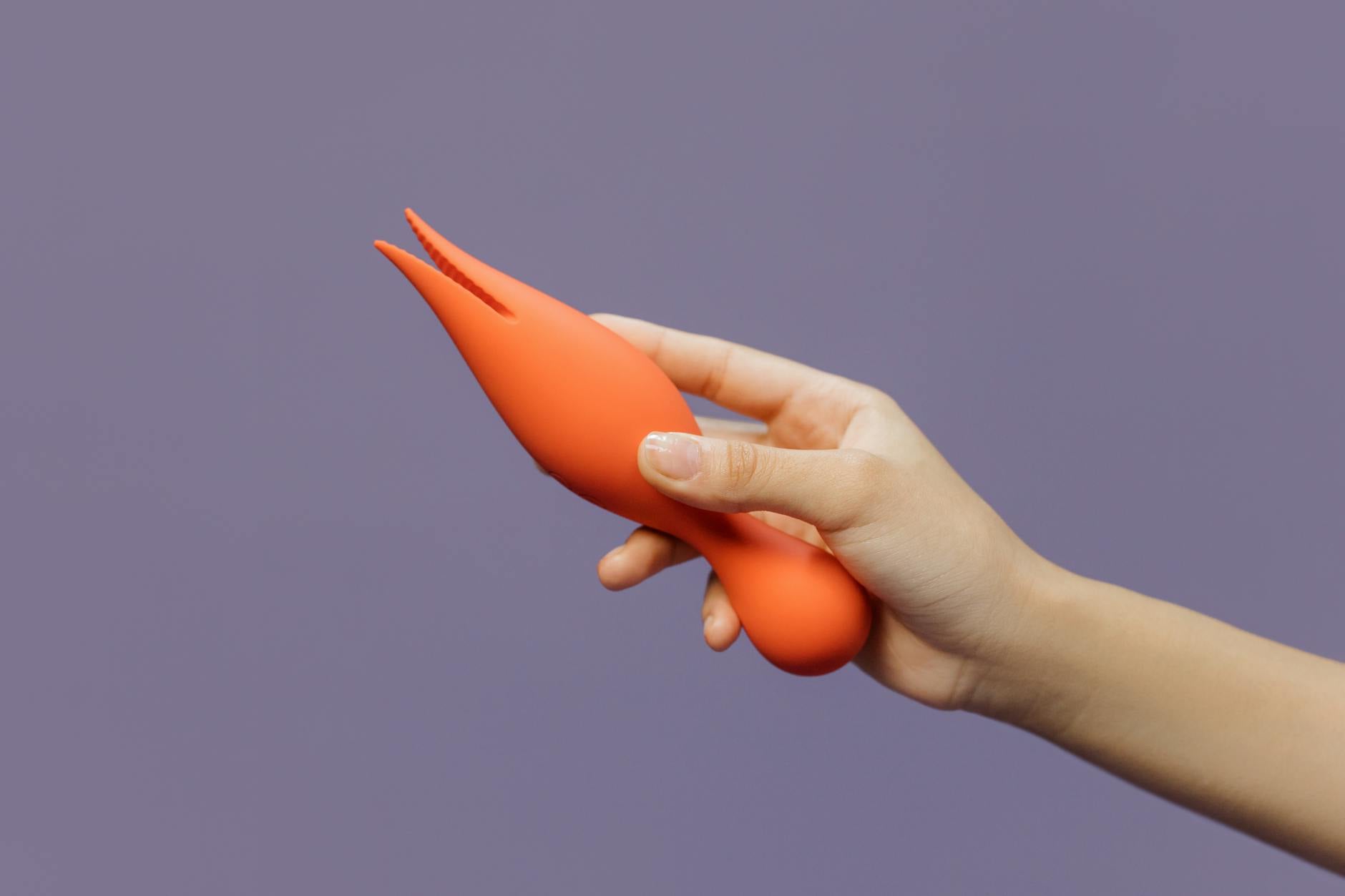
Lemon clitoral vibrators use suction rather than vibration. That matters because suction engages a different neural pathway than friction or buzzing does.
When your body is in this post-pill recalibration phase, direct stimulation can feel either too intense or underwhelming. A vibrator that relies on friction might feel overwhelming if your tissues are temporarily oversensitive. It might also feel too subtle if you're in a low-sensation window.
Suction is different. It doesn't depend on direct friction. It creates a kind of gentle pulse that builds sensation gradually instead of hitting you all at once. That makes it easier to control intensity without switching between devices. And because the sensation is broader and less direct, it works better when your body is still figuring out what it wants.
You also have more control with a lemon vibrator. You can adjust the intensity, pause and restart easily, and experiment with different patterns without the commitment of a full vibration cycle. That's valuable when you're literally learning your body's new responses.
Start slow. Not because you're fragile, but because you're gathering data.
Set aside 15-20 minutes when you're genuinely relaxed (not horny, just open). Use water-based lubricant. Start the lemon vibrator on the lowest intensity setting and place it gently. Don't chase an orgasm. Just notice: Does this feel good? Too much? Not enough? Does one pattern feel different from another?
Stop after 10 minutes whether or not anything happened. Your nervous system needs permission to feel incomplete. Orgasm isn't the goal right now. Reconnection is.
Do this 3-4 times in the first two weeks. You're not training your body. You're listening to it.
Once you've got baseline data, you can start experimenting. Extend sessions to 20-30 minutes. Try different intensities. Notice if certain times of your cycle feel different (they probably will). See if partnered use feels different from solo use.
Many people report that after about a month off hormonal birth control, arousal feels more spontaneous and less triggered. That's your natural hormone cycles returning. If that matches your experience, you might notice the lemon vibrator works best at certain points in your cycle. Keep track. Patterns emerge around days 7-14 (usually a rise in desire) and sometimes another small peak before your period.
If you're not feeling more arousal by week four, that's also normal. Some bodies take longer. Stress, sleep, and relationship dynamics matter just as much as hormones. Don't panic.
If oversensitivity persists past eight weeks, your estrogen levels might be spiking too high or staying unstable. This is worth mentioning to your doctor. It usually settles on its own, but sometimes a brief cycle of a different birth control method (or a very low-dose option) helps while your body recalibrates.
If you're experiencing complete numbness or zero arousal after 12 weeks, check a few things first: Are you sleeping enough? How's your stress? Have you had any other major life changes? Often pleasure returns once you've addressed those. If it doesn't, a conversation with your GP or gynecologist is worth having. Sometimes post-pill syndrome is real and deserves proper evaluation.
This transition gets more complex if you have a partner. They might be confused about why you're suddenly different (or suddenly less interested). You might feel pressure to "be normal" again.
Here's what I recommend: Separate the two conversations. One conversation is "My body is adjusting to being off hormonal birth control and sensation feels different." The other is "I want us to stay close during this transition." Don't compress them into "I'm broken and that's our problem now."
Using a lemon vibrator together can actually help. It's not about you not being enough for your partner. It's about having a shared tool that works with your body right now, not against it. A lemon vibrator makes it easy to involve your partner without putting pressure on either of you to perform.
Here's the part nobody talks about: Quitting hormonal birth control can trigger feelings of grief, liberation, anger, or all three at once. You might suddenly feel sexual things you'd been suppressing. You might realize how much the pill was controlling your mood. You might grieve years spent on a method that never quite fit your body.
That emotional turbulence affects arousal more than hormone levels do. If you're processing a lot, your libido will be low regardless of estrogen. That's not broken either. It's your nervous system being honest.
If you're in a partnership and this emotional shift is happening, please talk about it. Your partner doesn't need to fix it. They just need to understand that pleasure might look different for a while because everything is different.
If you're two months off hormonal birth control and experiencing any of these, talk to your doctor: persistent severe pain during sex, sustained complete loss of arousal (past 12 weeks), panic or anxiety that wasn't there before, or any physical symptoms that feel abnormal.
Post-pill syndrome is real. It's not common, but it's not rare either. A good practitioner can help you figure out whether it's happening and what to do about it.
Your body isn't broken after stopping hormonal birth control. It's just different. A lemon vibrator gives you a tool that works with that difference instead of against it. Use it as a way to get curious about your body again, not as a way to force yourself back to "normal." Normal is coming. It just needs time.
Typically 8-12 weeks, but it can take up to six months. Some people feel arousal shift immediately. Others don't feel major changes for a few weeks. Sleep, stress, relationship satisfaction, and overall health all affect this timeline. If you're past six months and arousal still feels absent, that's worth discussing with your doctor.
Yes. Many people who felt suppressed sensation on hormonal birth control find that a lemon clitoral vibrator works well during the adjustment period because suction doesn't depend on high sensitivity. You can build pleasure gradually as your nervous system recalibrates. As sensitivity returns (which it usually does), you have more options for intensity.
Often, yes. Some people report more intense orgasms post-pill. Others report weaker ones during the transition. This usually normalizes within 2-3 months. The variation is real, but it typically doesn't last. If you're noticing patterns, keep a note of where you are in your cycle. That will help you understand what's actually changing.
Yes. Some bodies are slower to wake up after years on synthetic hormones. Others have low libido because of stress or relationship issues that have nothing to do with the pill. Give it time. If you're genuinely concerned after 16 weeks, talk to your doctor. In the meantime, a lemon vibrator lets you explore without pressure.
Not if you're experiencing pain during sex. Pain is a signal that something needs attention. See your doctor first. Once you've ruled out infection or other issues, a lemon vibrator can be part of your recovery, but only with medical guidance.
That's a conversation worth having sooner rather than later. Your body's adjustment period is real and valid. Your partner's needs are also real. The goal isn't for you to push through discomfort. It's to stay connected while your body recalibrates. That might look like using a lemon vibrator together, it might look like non-sexual touch, or it might look like patience. But it requires talking about it explicitly, without shame on either side. If you want guidance on how to talk about lemon vibrators with your partner without awkwardness, that's a good place to start.
The patch and ring use the same synthetic hormones as the pill, just delivered differently. The withdrawal timeline is slightly different (the ring and patch leave your system faster since they're not in your digestive tract), but your body goes through the same recalibration. Expect similar adjustments in arousal, sensitivity, and cycle regularity.
If you're in the thick of this transition, order a lemon vibrator and give yourself permission to explore without pressure. If you're partnered, consider reading about how to use a lemon vibrator with your partner to make it a shared experience rather than something that feels like a workaround.
Most importantly, be patient with your body. It spent years on synthetic hormones. Now it's learning to operate on its own again. That takes time. You're not broken. You're recalibrating.
Have questions or want to talk through your specific situation? Reach out to us. We're here to help.