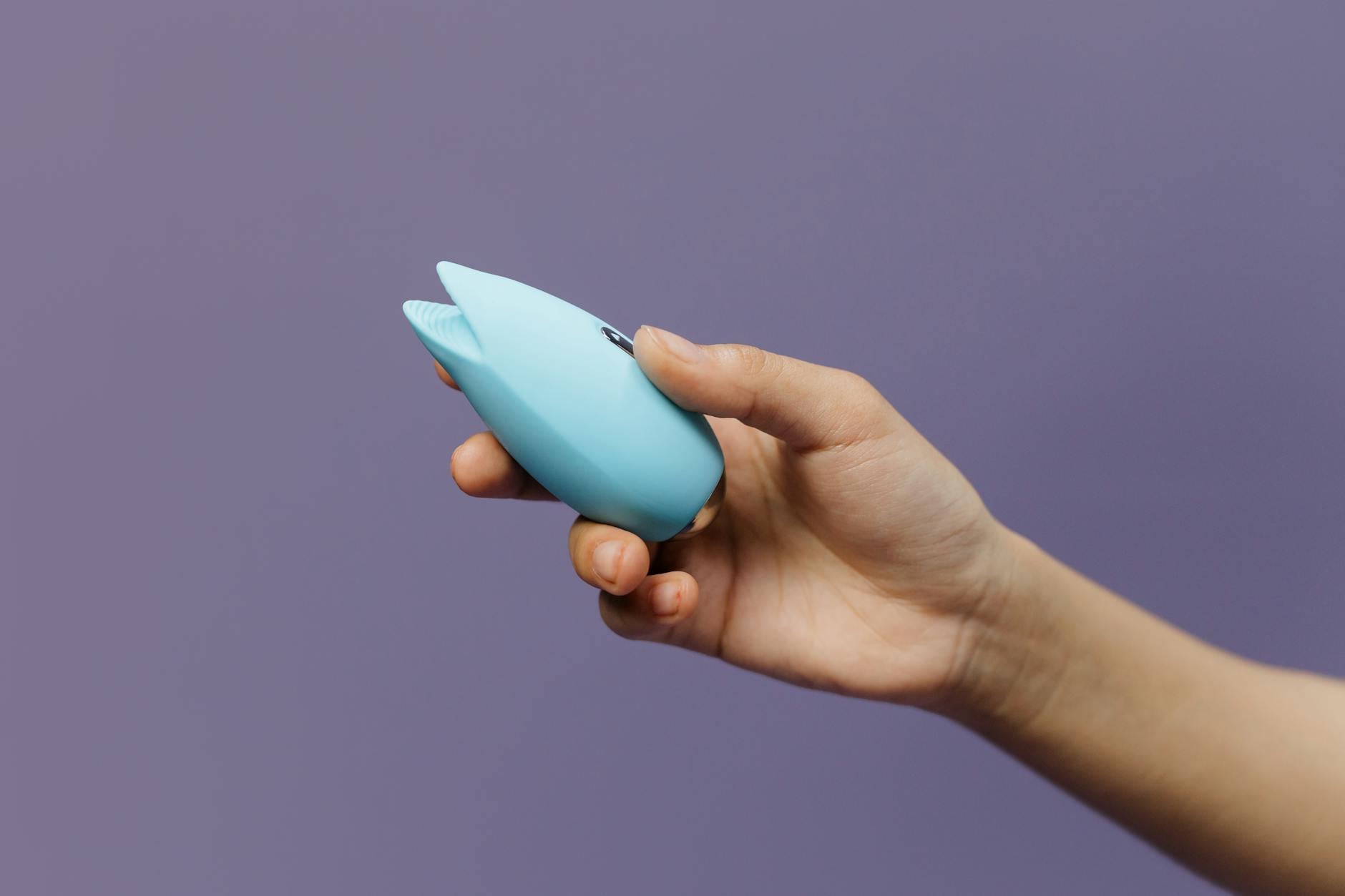
How to Use a Lemon Vibrator When Desire Returns After Grief
Grief numbs pleasure, and that's normal. When sensation finally returns, your body might feel unfamiliar. Here's how to rebuild connection with yourself—gently.
Grief doesn't just cloud your mind. It hijacks your nervous system. Your body goes into a kind of protective shutdown. Everything feels flat, gray, like you're moving through water. And pleasure? It's not that you've forgotten what it feels like. It's that your body has decided survival is more important than sensation right now. That's not broken. That's biology.
When that numbness starts to lift, even a little, something unexpected happens. You might feel guilty. Like reconnecting with pleasure means you're moving on too fast, betraying the person or the loss. You're not. Pleasure returning is actually a sign that your nervous system is slowly finding safety again. That's worth honoring.
The trick is knowing how to meet yourself gently in that moment. Because the path back to sensation isn't about diving in hard. It's about learning to feel curious about your body again, without pressure or expectation.
When you've been numb for weeks or months, the nerve endings don't just switch back on like a light. The sensations that used to feel automatic now feel strange, almost intrusive. Texture might feel too intense. Speed might feel jarring. Even warmth might register as a kind of static rather than comfort.
This is real neurologically. Grief and chronic stress dampen the dopamine system, the part of your brain that codes for pleasure and anticipation. When your body starts to heal, those pathways come back online, but they're sluggish at first. They need practice, gentle repeated exposure to pleasure in small doses.
Some people also experience what I call "pleasure guilt." You feel good for a second, then panic. What if I'm supposed to still be sad? What if enjoying something means I'm betraying them? That voice is grief talking, not truth. Your capacity to feel joy again isn't disrespect. It's survival.
A lemon vibrator, particularly the suction-based design of clitoral vibrators like The Lemon's, is genuinely different from traditional vibrators for this kind of rebuilding. Here's why.
Traditional vibrators create buzzing stimulation across a wide area. If you're coming back from numbness, that can feel overwhelming. A lemon clitoral vibrator uses suction—a gentler, more focused sensation that mimics the way the body naturally responds to arousal. It doesn't require you to find your way to intense sensation. It meets you where you are.
The second reason: control. With a traditional vibrator, you're either on or off. With suction, you can start at a whisper-soft setting and build from there. That autonomy matters when you're rebuilding trust in your body. You're not being done to. You're choosing what happens next.
Third, and maybe most important, the sensation itself is less intrusive. If you're still fragile, still healing, the focused, pulsing rhythm of suction feels like an invitation rather than a demand. Your nervous system can stay slightly opened instead of bracing.
Timing matters more than you think. Don't try to use a vibrator when you're already exhausted or when you're having a grief spike. Pick a moment when you're feeling marginally more present. A day when the weight isn't quite as heavy.
Start alone. No partner, no performance, no expectation of reaching anywhere. This is just about curiosity. Set maybe 20 minutes aside. No timer, but enough time that you're not rushing.
Begin with the lemon vibrator off. Just hold it. Feel the weight of it in your hand. Notice the texture. This isn't silly. Your nervous system has been offline. It needs permission to come back online in stages. Some people find this step emotional. That's okay. Cry if you need to. Feel whatever surfaces.
When you're ready, turn it on at the lowest setting. Don't apply it yet. Just listen to the sound. Let your body adjust to knowing it's there. Ten seconds is enough.
Now place it on your body, but not on your genitals yet. Try your inner arm, your collarbone, your thigh. Anywhere that feels safe. The goal here isn't arousal. It's sensation. It's waking up your nervous system and saying, okay, we can feel things again, and it's not too much.
Do this for a few sessions before you move it to your clitoris. There's no rush. You have time.
When you decide to place the lemon vibrator on your clitoris, start at the very lowest suction setting. Like, barely there. Your instinct will be to think nothing is happening. That's fine. Sometimes the most powerful sensation is the one you have to lean in to feel.
Keep the settings low for multiple sessions. I know that sounds slow. You might think you're "supposed" to enjoy intense sensation by now. You're not. Your nervous system is rebuilding sensitivity. Gentle stimulation for weeks will teach your body more than intense stimulation will. Intensity comes later, once the pathway is warm again.
Let yourself feel bored sometimes. You might pick up the lemon vibrator and feel... nothing much. That's normal. Your brain is still learning how to code this as pleasure. Don't force it. Try again tomorrow. Or in three days. Your body will tell you when it's ready to go deeper.
Some people describe coming back to sensation as feeling "muted" or "distant." Like they're watching themselves feel pleasure instead of actually feeling it. That's dissociation, and it's super common after loss. Your nervous system learned that checking out kept you safe. Breaking that habit takes time.
If this happens, stop. Put the vibrator down. The point isn't to push through dissociation. It's to build safety. When you feel yourself drifting, a gentle grounding technique helps more than continuing. Touch something textured. Feel ice in your hand. Notice five things you can see around you. Get back into your body in the room, with the real world.
Then try again another day. Sooner than you think, the dissociation will ease. But it won't rush.
If you're partnered, this is the hard conversation. Because your partner might have been grieving too, and they might have needs you're not ready to meet yet. That tension is real and valid.
The best approach: tell them what's happening. "I'm starting to feel desire again, but I'm rebuilding. I need to go slow. That doesn't mean I don't love you or want to connect. It means I need to heal on a timeline that fits my nervous system right now." A good partner will wait. They'll find ways to feel connected that don't require full sexual intimacy.
When you do bring a partner into this, the lemon vibrator can actually ease things. Using it solo first means you've built the pathway. When they're present, they're not the ones driving your pleasure. The vibrator is. They're just witnessing and supporting it. That's different. That feels safer.
You'll know. It's when the sensation stops feeling like an investigation and starts feeling like something you want to choose again. When you pick up the vibrator without hesitation. When arousal starts to build naturally, not just from stimulation. When pleasure doesn't come wrapped in guilt.
That might be weeks from now. It might be months. There's no timeline for grief. There's only your nervous system's timeline, and that's the only one that matters. Once you're there, you can gradually increase intensity, try new settings, explore with more curiosity. But the rebuilding period is sacred. Honor it.
Physiologically, yes. But whether you will want to is another question. Grief typically suppresses desire for weeks to months. Trying to force pleasure before your body is ready creates shame, not healing. If you're a few weeks out from a major loss and feel nothing, that's not abnormal. Wait until you notice even a small shift in your emotional state. That's your signal.
Sometimes, yes. You might feel guilty, or it might intensify sadness temporarily. That's grief working itself through your body. It doesn't mean you shouldn't be using the vibrator. It means you're processing. Let yourself feel it. If it becomes overwhelming, stop and give yourself space. Revisit it when you're slightly more stable.
If you're partnered and value honesty, yes. Frame it as part of your healing, not as a rejection. "I'm rebuilding sensation on my own right now, and this is helping me reconnect with my body." A partner who loves you will understand that healing sometimes requires solitude. If they don't, that's information too.
Orgasm is often the last thing to return after grief because it requires a deeper level of nervous system relaxation. You can feel aroused and still not orgasm, and that's completely okay. Don't make orgasm the goal. Make sensation the goal. Orgasm will follow when your body is ready.
It varies wildly. Some people feel shifts in weeks. Others take months or longer. There's no standard timeline. What matters is that you're moving forward, even incrementally. If you're still feeling completely numb six months after a major loss, talking to a therapist might help. They can assess whether you're healing normally or if you need additional support.
Yes, but only if both people are ready. If you've been grieving separately or together, rebuilding desire can actually deepen connection if you approach it as a shared healing journey. Using a lemon vibrator together, or sharing your solo healing with them, can create new forms of intimacy that feel safer and more attuned than before the loss.
Grief changes your relationship to pleasure. It doesn't end it. When you're ready to rebuild, a lemon clitoral vibrator can be a genuinely gentle tool for coming back into sensation without forcing yourself. The key is patience with yourself. Your body knows how to feel good again. It just needs you to believe it does.
If you're struggling with the emotional side of grief and sexuality, talking with a therapist can help untangle those threads. Healing happens in layers. Your pleasure matters as part of that process.