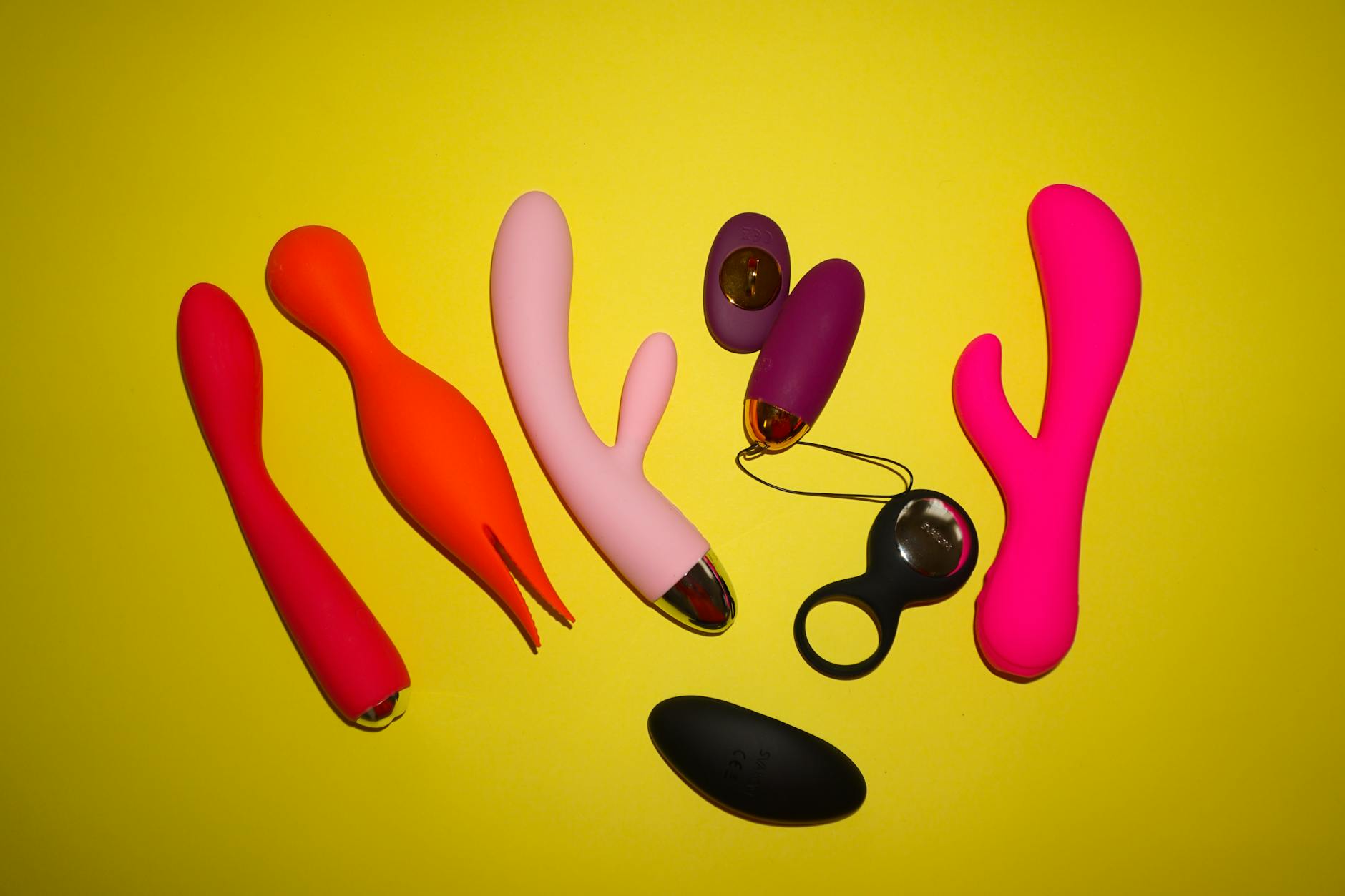
How to Use a Lemon Vibrator When Transitioning to a New Relationship
The early months bring excitement and vulnerability. Here's how to introduce a clitoral vibrator thoughtfully, communicate clearly, and build real intimacy.
You've got a new partner. Things are good. Maybe really good. And somewhere in the back of your mind, there's this question: do I bring up that I use a lemon vibrator? When? How? Will they think it means something about them or us?
Honestly, the anxiety around this is bigger than the conversation itself. Most people worry their partner will feel inadequate or like they're being replaced. What actually happens, in most cases, is relief. Your partner gets to understand you better. And you get to enjoy sex more. Both of those are wins.
The research on sexual satisfaction in new relationships is clear: couples who communicate about pleasure early tend to stay together longer and report higher satisfaction. Not because toys matter intrinsically, but because the conversation trains you both to talk about what feels good instead of guessing.
There's also something deeper happening. When you introduce a lemon clitoral vibrator thoughtfully, you're saying: "My pleasure matters. I know what I like. And I want to share that with you." That's a vulnerability that either builds trust or reveals incompatibility. Either way, you get useful information.
The best time to mention it isn't the first week. It's also not month four. Sweet spot: after you've had sex a few times, things feel natural, and you're already comfortable talking about basic preferences.
Why? Early on, everything is interpreted through a filter of newness. Too early and they might overthink it. Too late and they'll wonder why you didn't mention something that's part of your actual sex life.
A practical frame: bring it up the same way you'd mention any other sexual preference. "I tend to orgasm easier when I'm using my lemon vibrator. Would you be interested in that being part of what we do together?" That's it. You're not asking permission. You're inviting participation.
Start outside the bedroom. Not during sex, not right before. A casual moment. "Hey, I wanted to mention something because I like being straightforward about this stuff."
Then tell the truth simply: You use a clitoral vibrator. You enjoy it. You'd like to use it with them if they're comfortable. That's the core of it.
Anticipate one of three responses.
Response one: enthusiasm. "Cool, let's try it." You're done. You've cleared the air and gained a partner who's already interested in your pleasure.
Response two: curiosity mixed with hesitation. "I'm not sure how I feel about it. Can we talk more?" Perfect. This is your moment to explain that tools aren't replacements. A lemon sucker doesn't replace what they bring. It's an addition. You can show them how it feels, let them hold it, demystify it. Many partners become enthusiastic once they understand the mechanics and see it's not threatening.
Response three: resistance. "I don't know, that makes me uncomfortable." This is harder. You get to decide what you do with that discomfort. You have three paths: drop it entirely, keep using it solo, or explore why it bothers them. Sometimes it's insecurity (addressable through conversation and reassurance). Sometimes it's a deeper values misalignment (that's different information, but information nonetheless).
Honestly, this is the easier part. Start slow. Show them the different settings on your lemon vibrator. Let them feel what each one does on their own hand or arm so they understand the range. No surprises.
When you're together, use it solo first with them present. Let them watch. That takes the weirdness out of it. Then invite them in: "You could try this here" or "I like when you combine it with this." You're collaborating, not performing.
If you're using a clitoral vibrator during partnered sex, communicate what's working. "This angle feels better" or "A little slower." You're teaching them something about your body. Most partners find that incredibly hot because it means they're actually getting you off instead of guessing.
Here's what I see most often in my practice: people avoid mentioning toys because they've been in relationships where pleasure was weaponized or shamed. Your ex made you feel bad for wanting vibration. Or they made it about them. So now you're gun-shy.
If that's you, this is actually an opportunity. A new partner who respects your pleasure and your tools is showing you what a different dynamic feels like. That's healing in action. You don't have to carry the old shame into this new space.
If you're the partner on the receiving end of this introduction, here's what I want you to hear: this isn't about you. It's about someone trusting you enough to be honest. That's the opposite of a threat. That's an invitation.
"They'll think I'm saying they're not enough." They won't, if you're clear that this is about your body, not theirs. "I enjoy you. I also enjoy this. Both can be true."
"It'll make things weird." It might for about five seconds. Then it won't. The weirdness is the conversation. After that, it's just another part of your sex life.
"What if they want to use it on me wrong?" Tell them how. "I like it here, lighter pressure, with your fingers too." You're the expert on your own body. That's not bossy. That's leadership.
Once you've brought a lemon vibrator into your intimate life, don't make a big deal out of it. It becomes just another part of what you do. You're not grateful about it. You're not performing enthusiasm. It's just normal.
This normalization is actually powerful because it sends a message: pleasure is something we discuss matter-of-factly. We know what we like. We talk about it. We adjust. That mindset carries into everything, not just sex.
If resistance persists and it's causing real tension, couples therapy isn't overkill. I've worked with partners who needed help understanding why a lemon clitoral vibrator felt threatening, and on the flip side, why withholding pleasure felt unjust. Sometimes a neutral third party helps both of you hear each other.
Similarly, if you're realizing that this dynamic reveals deeper incompatibilities about pleasure or control, that's important information too. Better to know now.
The point of introducing a lemon vibrator early isn't about the toy itself. It's about establishing that your new relationship is a place where you can be honest about what you need and want. That your pleasure matters. That you trust your partner enough to be vulnerable about it. That he or she or they can handle that vulnerability.
That's the foundation for actual intimacy. The vibrator is just the tool that opens the door.
Completely. About 60% of women have used a clitoral vibrator at some point, and many bring that practice into new relationships. What matters isn't whether it's "normal" but whether it's normal for you. If it's part of your sexuality, it's part of your new relationship too.
You don't, which is scary but also honest. What you can do is frame it clearly and gauge their reaction. If they're genuinely threatening or abusive about it, that tells you something important about the relationship. If they're hesitant but curious, there's room for conversation. If they're enthusiastic, you've got a partner who respects you.
Technically yes. But if it's part of your sex life together, hiding it creates a false intimacy. You're present but not fully. That tends to grow resentment over time, usually on both sides. Better to be upfront.
Tell them that. "I like having control over the pressure and pace, so I prefer using this myself. But I love that you're here and engaged." Some partners find this a relief because they don't have to figure out the mechanics. Others are fine switching it up sometimes. Communication, again, solves this.
No. What it means is you've found one way that works. You can use it sometimes and not other times. You can use it solo and partnered. You get to decide. Most partners quickly realize that knowing how to get you off reliably is actually a huge advantage to the relationship.
Treat it like any other preference. "I tend to orgasm more reliably when I'm using a clitoral vibrator, so I wanted to mention that in case we explore it together." No shame. No apology. Just information. The awkwardness lives in the fear, not the words.
You're in a new relationship and wondering whether to mention something that matters to you sexually. That's actually a sign of maturity and care for the relationship. You're thinking about how to integrate an important part of yourself with another person.
Do it. Have the conversation. See what happens. In most cases, you'll find that your new partner is relieved to understand you better, and you'll both enjoy sex more as a result.
If you need support navigating relationship transitions or rebuilding intimacy, reach out. That's what I'm here for.