Penetrative sex is not the only way to have partnered pleasure. That's not me being polite. That's neuroscience, relationship research, and decades of clinical work telling you the same thing: some of the most connected, satisfying intimate moments between partners happen without any penetration at all.
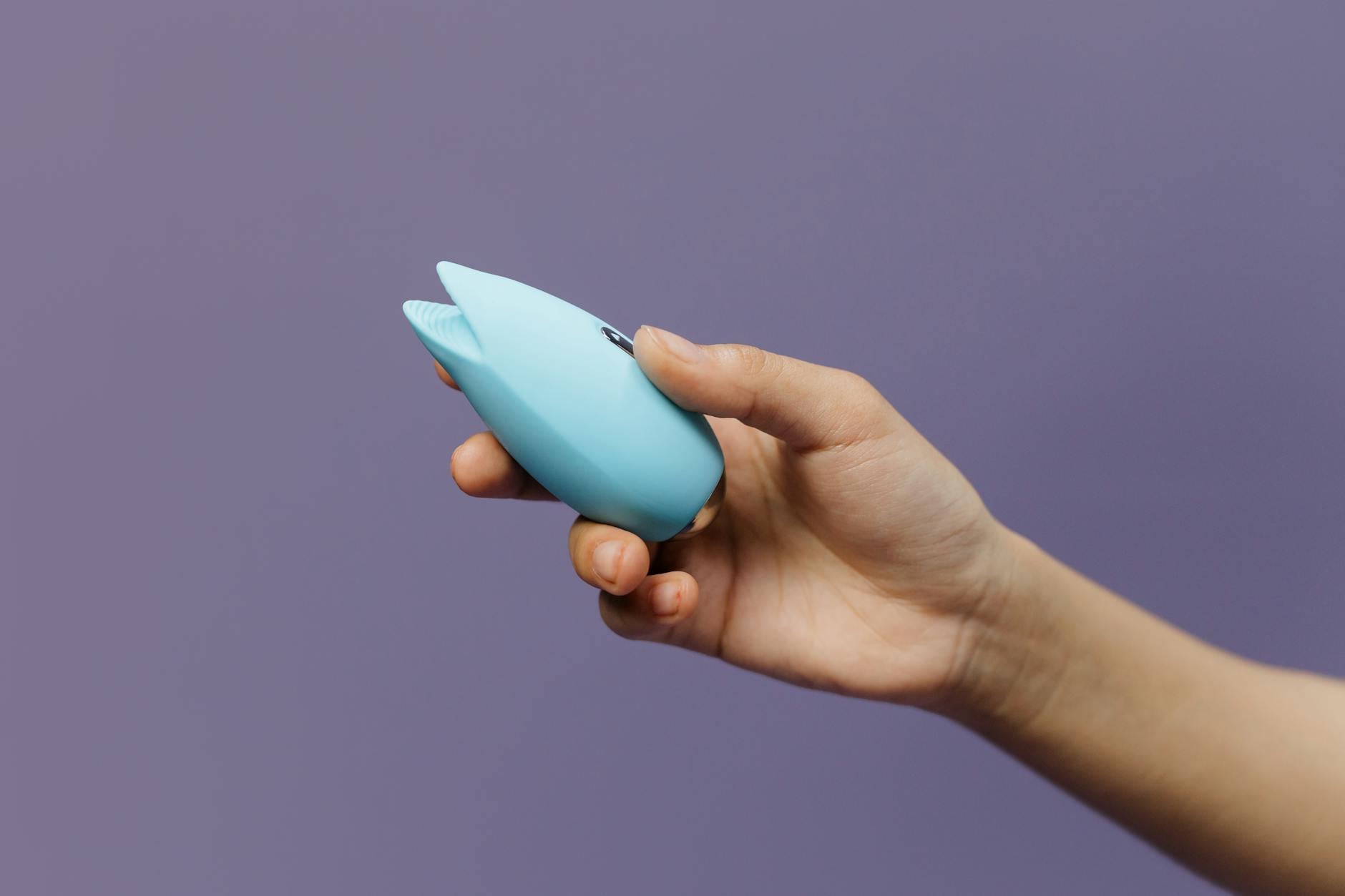
A lemon vibrator, specifically a lemon clitoral vibrator like The Lem, changes what becomes possible when you're both committed to external stimulation. It stops being a workaround and becomes its own form of intimacy.
Here's what I want you to know before you start: using a lemon vibrator with a partner is about communication, mutual focus, and showing up for each other's pleasure in a way that many couples never experience. If that sounds intense, it's because it is.
Most couples fall into penetration as the default because it's familiar, because it feels like "real sex," and because nobody ever taught them differently. The result is that clitoral pleasure becomes something that happens alongside penetration, not the main event.
But here's the thing: the clitoris is where most pleasure lives. Studies show that roughly 75% of people with vulvas require clitoral stimulation to reach orgasm. This isn't a gap to work around. It's information that should reshape how couples think about intimacy.
When you bring a lemon vibrator into partnered sex specifically for external stimulation, you're saying something out loud without words. You're saying: your pleasure is central. Not secondary. Not something to squeeze in before the "main event."
If you're the person with the clitoris, you have real choice here about how much contact and stimulation feels right. You might be on your back with your partner beside you, able to direct the vibrator's angle and intensity yourself. You might be sitting up while your partner holds the lemon vibrator, which gives them agency but keeps you in control of pace. You might be facing each other, which changes the entire tone of the experience. These aren't small differences. They change whose pleasure is the focus and how vulnerable each of you feels.
The lemon clitoral vibrator, with its suction-based design, works beautifully for partnered use because it doesn't require the kind of sustained hand pressure that wears out a partner's wrist. The sensation is also quieter than a traditional vibrator, which means you can hear each other, talk, breathe.
Start with the vibrator off. Let your partner hold it, let them feel the shape and weight of it. Familiarity removes a lot of the weirdness. Then, when you're ready, start on the lower settings. The point here isn't to rush toward orgasm. It's to experience what this sensation feels like with someone present, attentive, and focused on you.
This is the part that stops most couples: the conversation before the actual moment.
Honestly though, it's not as awkward as you're imagining. You can start it anywhere. "I've been thinking about trying something different" works. "I want to feel more pleasure when we're together" works. "I want to use a lemon vibrator with you" works even better because it's specific.
Then you name what you're actually asking for: "I want us to focus on external stimulation together. No penetration. Just me, you, and a tool that helps me feel more." Give your partner a chance to ask questions. They might worry it means something is wrong, so you might need to say: "This isn't about you or what we already do. It's about exploring something new together."
If your partner feels hesitant, ask why. Is it a control thing? A performance thing? Discomfort with the tool itself? All of these are solvable if you sit with them. Often, partners worry they're being replaced by the toy. Spoiler alert: you're not. You're inviting them deeper into your pleasure. That's the opposite of replacement.
Environment matters wildly more than people think. If you're stressed about your phone buzzing or someone walking in, your nervous system won't cooperate. Neither will theirs.
Create actual space. Lock the door. Put your phone in another room. Light a candle if that helps, dim the lights if that helps, keep them bright if that's what makes you feel present. There's no single formula.
Give yourselves time. This isn't a sprint. If you've set aside 30 minutes and you're still figuring out positioning at 20 minutes in, that's fine. Pressure to perform or finish quickly becomes its own barrier to pleasure.
Have lube nearby even if you think you won't need it. Water-based lube if you're using a lemon vibrator, since it's silicone. You might be surprised how much smoother everything feels with just a thin layer.
Your partner isn't there to operate the tool. They're there to pay attention. To notice what makes you gasp or shift. To ask if something feels good or if you want to adjust. To stay present instead of scrolling mentally through their to-do list.
This is where the real intimacy lives. Not in the orgasm. In the fact that someone chose to show up for your pleasure and stayed focused the whole time.
Some partners love holding the lemon vibrator and directing it. Some prefer to touch you elsewhere while you guide the vibrator. Some want to watch. All of these are valid. The only rule is that you're both communicating throughout.
Penetration isn't always on the table anyway. Some people experience pain with penetrative sex. Some have pelvic floor tension that makes it uncomfortable. Some are recovering from surgery or trauma. Some are simply not in the mood for it.
A lemon clitoral vibrator becomes the entire experience in all of those moments. Which means partnered pleasure doesn't have to stop. It just changes shape.
You might also use external stimulation as foreplay before deciding whether penetration feels right. You might use it as the main event and skip penetration entirely. You might use it alongside other forms of touch. The flexibility is the point.
Many couples also find that focusing on clitoral pleasure first, with a partner present, actually increases desire for penetration later because the nervous system is activated and bloodflow is increased. But that's a bonus, not the goal. The goal is your pleasure, full stop.
If you're lying there feeling numb, disconnected, or pressured, stop. Don't perform. Don't pretend. These moments are actually about realness, not fantasy.
Talk about what's off. Is it the intensity of the vibrator? The positioning? The fact that you're worried your partner is judging you? All of this information matters. And all of it changes how the next attempt goes.
One more thing: if you're struggling to reach orgasm, that doesn't mean this wasn't worth doing. Orgasm is not the only measure of good sex. A partner who stayed present, curious, and focused on your pleasure? That's the win. The orgasm is optional.
Using a lemon vibrator with a partner once doesn't fix anything. But doing it regularly, with communication and attention, reshapes how couples relate to pleasure together.
You start to know what the other person responds to. You start to feel less self-conscious. You start to see partnered pleasure as something you build together, not something that happens to you.
If your partner is hesitant about using a lemon sucker or other clitoral vibrators at first, you might also explore solo use together. Some couples enjoy being in the same room, pleasuring themselves, watching each other. That's a gentler entry point to becoming comfortable with the tool. There's a whole guide to solo pleasure if you want more on that.
Over time, external stimulation with a partner stops feeling novel and becomes just another way you show up for each other.
Your pleasure deserves focus. Not squeezed in, not hurried, not treated as a side effect of penetration. It deserves a partner who shows up, pays attention, and stays curious about what makes you feel good. A lemon vibrator is just a tool. The intimacy is what you build together.
Yes. In fact, it often relieves performance pressure because the focus shifts from what a partner's body can do to what brings mutual pleasure. When your partner realizes the vibrator isn't a critique of them but an invitation to something new, that worry usually softens.
Start simple: "I want to explore something new with you." You don't need to make it a big announcement. A quiet moment, a text, a conversation during a walk all work. Then explain what you want: more clitoral pleasure, more time for your arousal, something that feels different. Most partners are more open than you expect.
Great. That's partnered pleasure too. You can take turns, do it simultaneously, or use it together on one of you. There's no single right way. The key is that you're both into it.
No. It means you want to expand what's possible. Most couples add toys not because something is broken but because they want more variety, more pleasure, more connection. That's growth, not dysfunction.
Not necessary. Silicone vibrators are easy to clean and reuse. Just wash it with soap and warm water before and after. Water-based lube won't degrade it. You're good.
Then that's the experience you have. You don't have to climax at the same time. One of you might enjoy continuing while the other rests. Or you might wrap up and cuddle. Or keep going because it feels good. The point is that you're not racing toward a finish line together. You're exploring pleasure together, however it unfolds.
Partnerned pleasure without penetration is not a consolation prize or a workaround. It's a full, valid form of intimacy that many couples never explore because nobody told them they could. Using a lemon vibrator together doesn't require years of experience or perfect communication. It requires showing up, paying attention, and believing that your pleasure deserves focus.