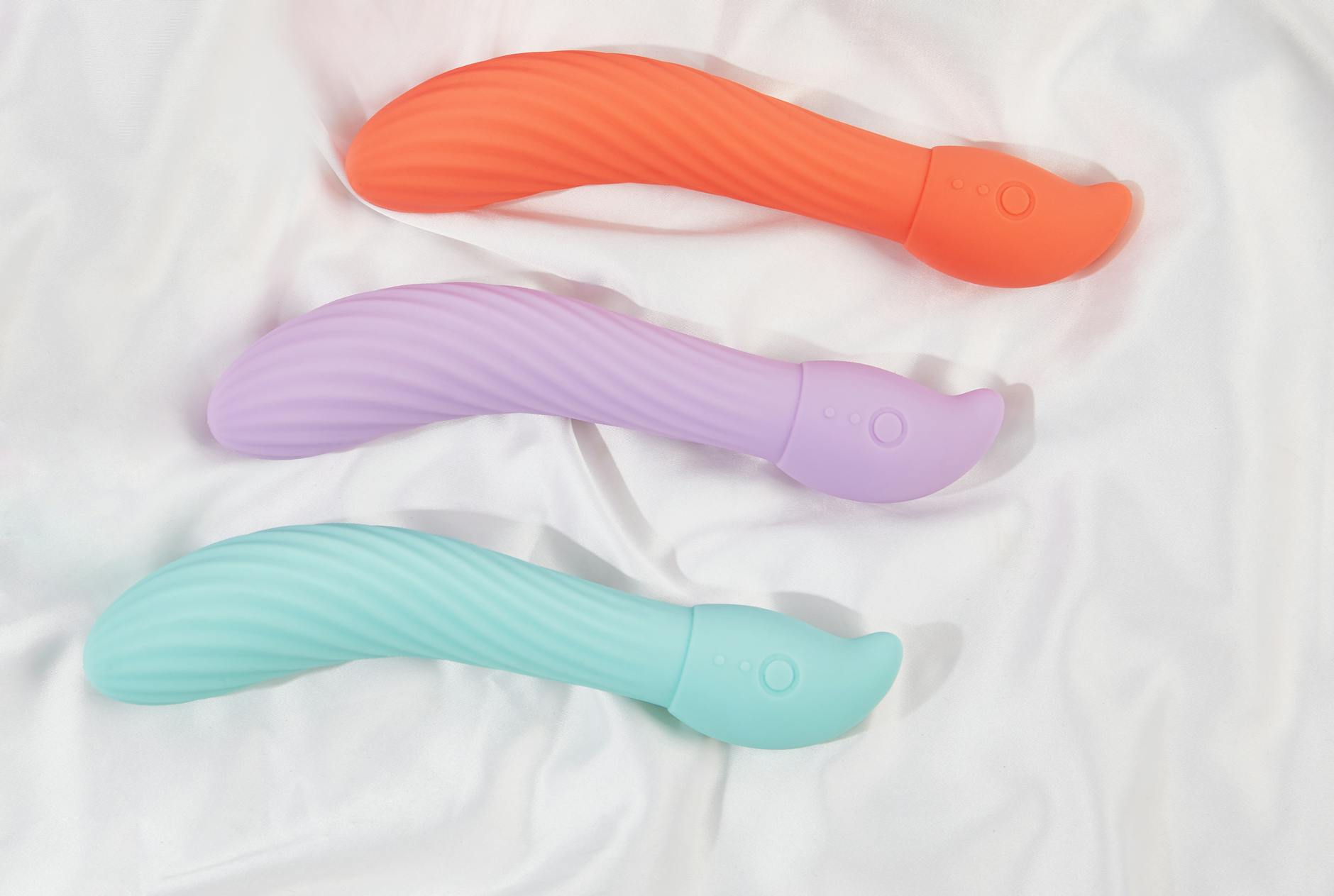
Let's be real. If you've tried vibrators and felt nothing, you're not broken. Your nervous system might just process sensation differently than the standard vibration pattern was built for. And here's what matters: air-suction technology like the lemon vibrator accesses nerve pathways that straight-line vibration completely misses.
When sensation is low.reduced.or just not responding the way you expected, the issue is often frequency and pattern, not the goal itself. Lemon clitoral vibrators use a different mechanism entirely, which changes everything for people dealing with numbness, medication side effects, or naturally high sensation thresholds.
Your clitoris has about 8,000 nerve endings in a space roughly the size of a pea. But not all nerve endings respond equally to all types of touch. Some activate with sustained pressure. Others light up with rhythmic motion. Still others respond best to what's called "responsive vacuum," where pressure changes around the tissue itself.
Traditional vibrators deliver high-frequency oscillation. That works brilliantly for many people. But if your nerves are accustomed to lower sensation input.or if medications have dampened the signal.you need a different approach. That's where lemon suction comes in. The mechanism doesn't vibrate the tissue itself. Instead, it creates and releases micro-pulses of pressure around the entire clitoral structure, which stimulates nerve clusters that vibration alone never touches.
It's not that vibration stops working for you. It's that you have access to a completely different neural pathway that vibration was never trained to activate.
Research on clitoral nerve distribution shows that the sensitive network extends beyond the visible clitoris into surrounding tissue. Vibrators typically target the surface and the glans. Air-suction devices like the lem vibrator create a broader stimulation zone that includes these deeper nerve pathways.
For people with reduced sensation, this matters enormously. You get:
A wider nerve activation field. Instead of focused surface vibration, suction engages nerves across a larger area, increasing overall signal strength even when individual nerves are less responsive.
Pressure-based feedback instead of motion-based. If your nervous system responds better to sustained sensation change rather than oscillation, suction delivers that naturally.
Customizable intensity that doesn't require extreme settings. You build sensation gradually through pressure changes rather than chasing higher vibration speeds, which is both more pleasurable and more sustainable.
When you're working with low sensation, the last thing you need is a toy that maxes out at "vibration level 10" and still delivers nothing. The lemon clitoral vibrator approach sidesteps that wall entirely.
Antidepressants, blood pressure medications, hormonal birth control, and certain pain medications all affect sensation to varying degrees. The dampening isn't always obvious. You might feel less eager to engage, less responsive to touch, or just find that orgasm requires significantly more input than it used to.
Many people assume this means they're no longer capable of pleasure. That's not accurate. What's actually happening is that the specific stimulation pattern they've relied on isn't reaching their nervous system with enough intensity. A lemon vibrator, because it operates on a different mechanical principle entirely, often bypasses that dampening effect.
I've had numerous clients report that when traditional vibrators felt completely numb, switching to suction-based technology immediately restored sensation and responsiveness. It's not a placebo. The mechanism literally accesses different nerve populations.
Some people are just wired to need more input. This isn't abnormal. It's not a sign of trauma or dysfunction. It's anatomy. If you fall into this group, you've probably spent a lot of energy chasing vibration settings that climbed higher and higher without matching your actual threshold.
Here's the thing: your nervous system isn't deficient. You just have a body that responds better to a different type of signal. That's exactly what air-suction technology is built for. The lemon sucker mechanism delivers targeted pressure stimulation that works within your natural range instead of fighting against it.
When you stop treating your low sensation as a problem to overcome and instead treat it as a pathway to explore with the right tool, pleasure becomes accessible again. That shift alone changes the entire experience.
If reduced sensation is your situation, start at the lowest setting and give yourself time. Suction feels different from vibration in ways your nervous system has to learn to recognize. That learning curve is genuinely worth it.
First session, set expectations carefully. You're not trying to orgasm immediately. You're introducing your nervous system to a new type of stimulation. That might take three, four, or five sessions before you feel the full effect. That's normal and not a failure.
Use lubrication. Water-based lube improves the seal and makes suction feel more natural. It also reduces any friction that might be distracting rather than pleasurable.
Build a pattern. Once you've found a setting that creates sensation, stick with it for several sessions before exploring higher levels. Consistency helps your nervous system recognize and amplify the signal.
Combine with mental engagement. Low sensation often correlates with low engagement. Erotic thought, fantasy, or media can amplify the physical signal significantly. Don't underestimate how much your mind contributes to what your body feels.
If sensation remains entirely absent even after working with the right tool, that's worth investigating with a healthcare provider. Complete numbness can signal nerve damage, hormonal imbalance, or other treatable conditions. A good GP or specialist can run some baseline tests.
That said, most people who feel like they have "no sensation" actually have sensation that's just quieter than they expect. The lemon vibrator machinery has helped countless people discover that distinction. That discovery often changes not just pleasure but confidence and self-understanding.
Your sensation is not fixed. It changes with stress, health, medications, age, and emotional state. What feels numb today might feel differently in three months. This is actually good news. It means you're not pursuing a moving target. You're exploring what works now, in this season, with this nervous system.
That's exactly what makes lemon clitoral vibrators so valuable for this particular journey. They're not a workaround for broken wiring. They're a completely different conversation with your nervous system. One that your low sensation threshold might actually respond to better than anything you've tried before.
Yes, with caution and awareness. If your numbness is from nerve damage, suction-based stimulation may access sensation differently than vibration, but you need to be careful about tissue integrity. Always use lubricant, start at low settings, and watch for any redness or irritation. If there's any concern, check with your doctor first. That said, many people with mild neuropathy report that the lemon clitoral vibrator's broader stimulation zone actually delivers sensation where traditional vibrators never did.
Very likely, yes. SSRIs and other antidepressants dampen sensation by affecting neurotransmitter availability, but they don't affect all nerve pathways equally. Air-suction stimulation accesses different neural populations than vibration does, which is why many people on medications that reduce sensation find that the lem vibrator works when standard vibrators feel completely numb. It's not magic. It's just neuroanatomy. Start low and be patient with your nervous system's learning curve.
It varies widely, but plan on three to five sessions before you notice a real shift. Your nervous system has to learn to recognize this new type of signal. Some people feel it immediately. Others need patience. If you're still feeling nothing after a week or two of regular use, that doesn't mean it won't work. It often just means you need to adjust settings, use more lubricant, or give your mind more engagement alongside the physical stimulation. Many people find that combining the lemon vibrator with erotic content or fantasy dramatically speeds up the sensation discovery.
Sensation is rarely permanently fixed. Medication effects fluctuate. Hormonal cycles shift. Stress and emotional state influence what you feel physically. The nervous system is neuroplastic, meaning it adapts and rewires. Using a lemon vibrator consistently.combined with regular engagement and good health habits.can actually increase baseline sensation over time as your nervous system becomes more responsive. That said, if low sensation is new or accompanied by pain, tingling, or other symptoms, check with a healthcare provider.
Absolutely. If low sensation is affecting partnered intimacy, the lemon clitoral vibrator can actually improve the experience for both of you. Your partner can control the intensity and timing while you focus on sensation and response. This removes the pressure you might feel to "perform" arousal and lets you genuinely explore what you're actually feeling. Many couples find that this collaborative approach rebuilds arousal and connection significantly. For guidance, read about how to use a lemon vibrator with your partner if you're dealing with different desire levels.
Low sensation means stimulation feels quieter or duller than expected, but you can still feel it and build toward orgasm with the right input. Anorgasmia means orgasm isn't happening at all despite adequate stimulation and arousal. They're related but distinct. Low sensation often contributes to anorgasmia, but not always. If you have low sensation, a lemon vibrator can help increase the signal. If you have anorgasmia without low sensation, the issue might be psychological, hormonal, or related to medication timing. Either way, exploring with the right tool.like the lem vibrator.is a useful first step before assuming something deeper is wrong.