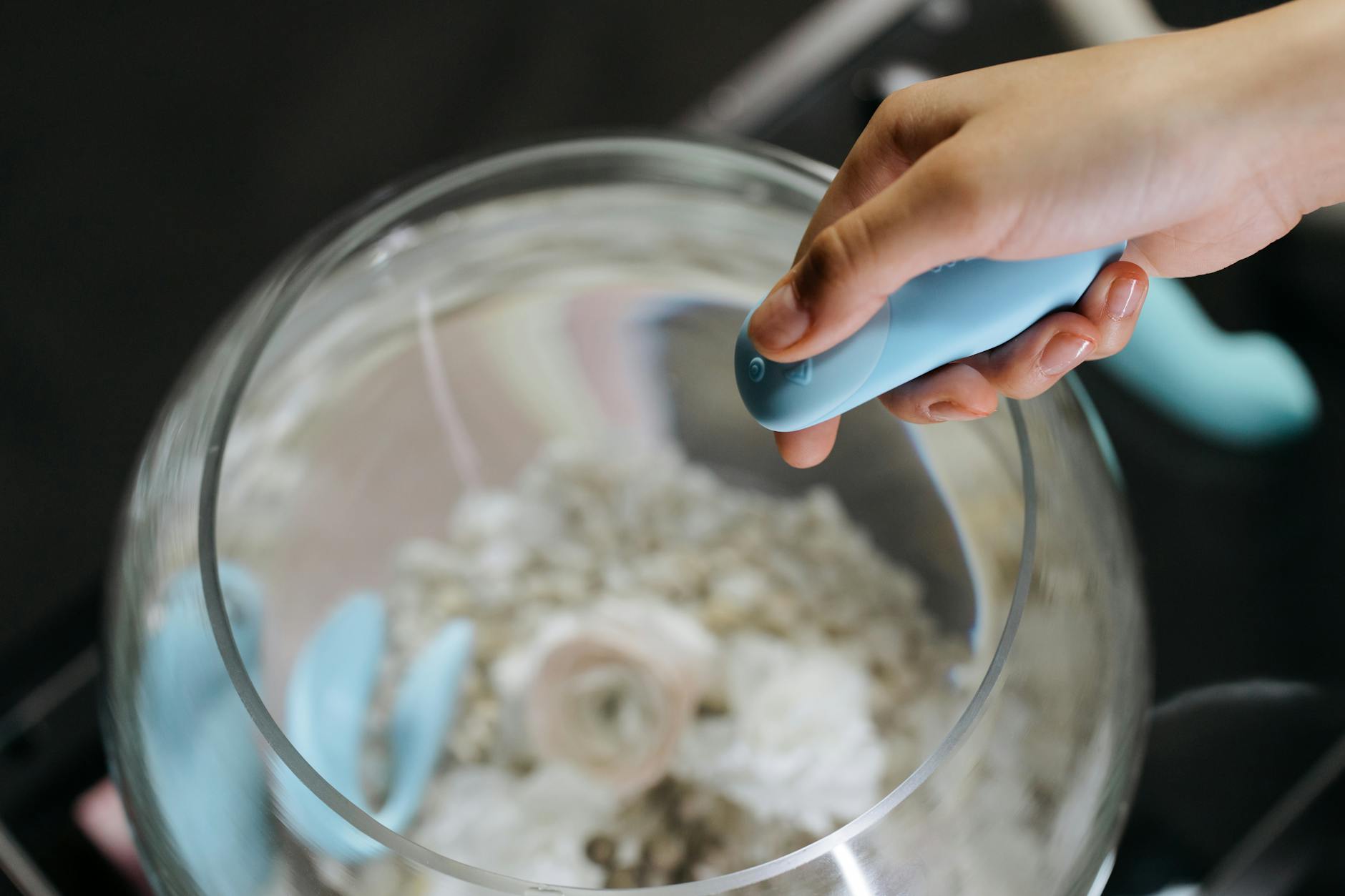
Here's what I see in my therapy practice: plenty of people with sexual anxiety or trauma histories who want to explore pleasure again, but don't know if a tool like a lemon vibrator is safe or helpful. The answer is yes. And no. And it depends on you.
Sexual anxiety and trauma live in the nervous system. A lemon clitoral vibrator can't erase that. But it can be part of how you rebuild trust in your own body. The question isn't whether the vibrator itself is healing. It's whether you're using it in a way that respects where you actually are right now.
When you've experienced sexual trauma or have significant anxiety around sex, your body sometimes doesn't cooperate. Your mind might be willing, but your nervous system hits the brakes. You might feel numb during touch. You might tense up automatically. You might get anxious about getting anxious, which makes everything worse.
This is not a character flaw. This is your nervous system doing its job. It learned that sex or sexual touch wasn't safe, and now it's protecting you by shutting down arousal, lubrication, or sensation itself.
Here's the thing that most vibrator guides skip: a vibrator doesn't fix that. It can't override the nervous system through sheer pattern or intensity. What it can do is give you a way to explore sensation on your own terms, at your own pace, without the pressure of someone else's presence or expectations.
The lemon suction technology is gentler and more gradually building than traditional buzz vibrators. It doesn't feel like an aggressive invasion of sensation. It builds slowly. You can start at the lowest pattern and just sit with that for minutes without escalating if you don't want to.
That matters when your nervous system is hypervigilant. Many people with trauma histories describe the suction sensation as easier to tolerate because it's less jarring. It's rhythmic, predictable, and you control exactly how much stimulation you're getting.
The clitoral vibrator design means you're building sensation from outside your body inward, which some people find less triggering than internal penetration. You stay in control. You can stop instantly. There's no pressure to come or perform.
If you've had sexual trauma or have significant anxiety, here's what actually helps:
1. Start in a genuinely safe space. Not just physically safe (locked door, alone), but mentally safe. A place where you've never experienced threat, where you feel settled. If that means your bedroom isn't the right place yet, that's information worth trusting.
2. Do the calming work first. Before you even touch the vibrator, spend 5-10 minutes on grounding: breathing work, body scan, noticing what you can see and hear. Your nervous system needs to downshift from alert to resting before arousal can happen.
3. Set a boundary about what happens if you freeze or shut down. You won't. But your nervous system might behave protectively anyway. Decide in advance: if this feels wrong, I stop. No judgment, no disappointment in myself. That decision removes the anxiety about what happens if anxiety happens.
4. Use the lemon vibrator like a tool for noticing, not achieving. The goal isn't an orgasm. The goal is "Can I feel sensation here?" or "What does pleasure feel like in my body right now?" That shift from performance pressure to curiosity is healing in itself.
It might. Your body might tense. You might feel the urge to stop. You might feel nothing at all.
None of that means you're broken or that the vibrator isn't working. It means your nervous system is exactly where it's supposed to be given your history.
Stop. Put the lemon vibrator down. Do something soothing: breathe slowly, drink water, move your body, step outside. You haven't failed. You've gotten data.
Then, if you want to, try again next time with a smaller change. Maybe start lower, or in a different position, or at a different time of day. Maybe work with a therapist who specializes in trauma and sexuality alongside exploring the vibrator. That's not a limitation. That's wisdom.
If you're healing in a relationship, your partner's role is not to pressure you toward pleasure. It's to respect your pace and create the conditions where your nervous system can gradually learn that sex and intimacy are safe again.
Using a lemon clitoral vibrator alone first, on your timeline, is often exactly right. It gives you a chance to rebuild your relationship with your own pleasure without the added complexity of someone else's needs or presence. Once you know what feels okay to you, sharing that with a partner becomes easier.
A vibrator is a tool. Trauma healing requires more than a tool. If you're working through significant trauma, a sex-positive therapist who understands trauma is invaluable. Some specialize in somatic therapy, which works with the nervous system directly. Others use EMDR or Internal Family Systems.
You don't need permission to use a vibrator. You do benefit from support in understanding your own responses and gradually expanding your window of tolerance for sensation and pleasure.
It doesn't mean multiple orgasms. It doesn't mean you suddenly want sex all the time. It means you can feel something, even if it's just curiosity or mild pleasure. It means you used the vibrator and didn't panic. It means you're reclaiming one small piece of your body as yours.
Healing from sexual trauma or anxiety is not linear. You'll have days where the lemon vibrator feels okay and days where you can't go near it. Both are fine. Both are progress.
Your pleasure matters. And your safety, including your emotional safety, matters more.
Yes, completely. Numbness is a common trauma response. Your nervous system might have learned to shut down sensation as protection. This doesn't mean the clitoral vibrator is broken or that you're broken. It means your system is being cautious. Many people find sensation slowly returns as they use the vibrator regularly in a truly safe space without pressure. If numbness persists, a trauma-informed therapist can help.
It's possible to trigger anxiety with any sexual activity, including vibrator use. This is why starting alone, in a safe space, with grounding work beforehand matters. If you do experience a flashback or panic, stop immediately. It doesn't mean you can never use a vibrator. It means you might benefit from working with a therapist first to build your window of tolerance. Many people find that trauma-informed somatic therapy plus gradual vibrator exploration works well together.
There's no timeline. Some people feel comfortable exploring within weeks. Others need months or years. Healing isn't about speed. If you're three months in and still feeling blocked, that's not a sign of failure. That's a sign you might benefit from professional support. A sex-positive therapist can help you identify what's blocking pleasure and work through it.
That's your choice. If you feel safe with your partner, sharing can deepen intimacy and help them understand your healing process. It also removes the shame around exploring your own pleasure. But you're not obligated to tell them if you don't feel safe doing so. Your body and your healing are yours.
Stop. Put it down. Ground yourself using whatever works: cold water on your face, stepping outside, naming five things you can see. Panic isn't dangerous. It's uncomfortable and scary, but it passes. Once you've settled, you can decide whether you want to try again another day or whether you need professional support before exploring further. Both choices are okay.
Yes. Most anti-anxiety and antidepressant medications don't interfere with vibrator use. Some can make orgasm harder, but that's about your nervous system state, not about the vibrator. If you're worried that your medication is affecting pleasure, talk to your prescriber. Many people find that medication plus therapy plus gradual sexual exploration works really well together.
Pleasure is your right. So is safety. A lemon clitoral vibrator can be part of reclaiming both, but only if you're using it in a way that honors where your nervous system actually is. That might mean going slower than the instructions suggest. That might mean working with a therapist. That might mean trying it, stopping, and trying again months later.
All of that is normal. All of that is healing.
If you want to explore this further with someone who gets it, our team at Hello Nancy is here. And if you need professional support, that's equally important. Your pleasure matters. Your safety matters more.