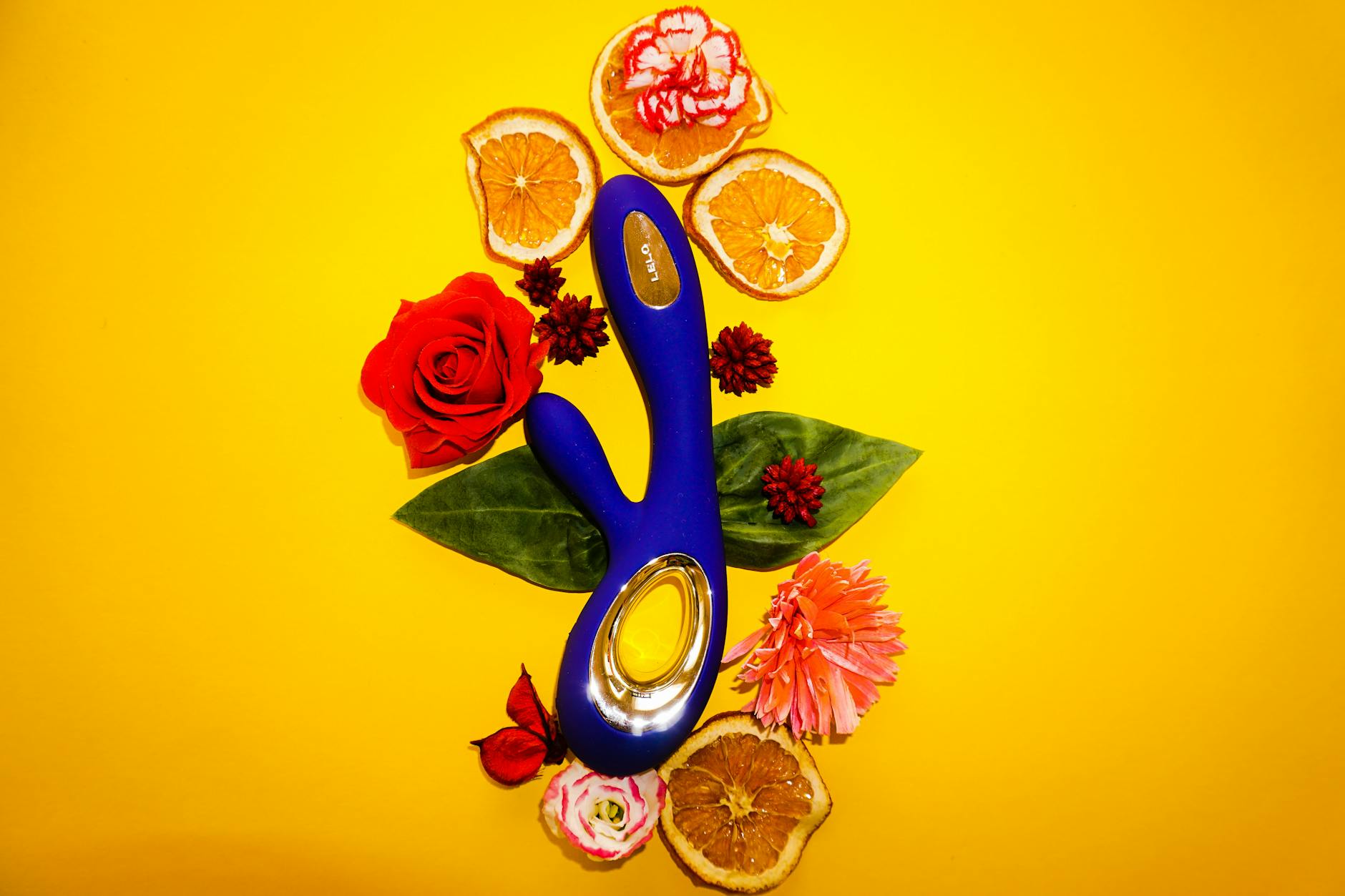
Why Lemon Vibrators Feel Different When Breastfeeding Postpartum
Your body is doing something wild right now. Here's what actually shifts during breastfeeding, why pleasure feels foreign, and how lemon sexual toys work with your new nervous system, not against it.
You've probably heard that breastfeeding suppresses desire. That's not quite right, but it's not entirely wrong either. What's actually happening is more interesting and way less permanent. Breastfeeding hijacks your nervous system in ways that ripple through everything, including how you experience pleasure.
Here's the thing nobody explains: when you're nursing, your body floods with oxytocin (the bonding hormone), and that same hormone that makes you want to curl around your baby also dampens sexual arousal pathways. At the same time, prolactin rises to maintain milk supply. This combination doesn't kill desire, but it does redirect it. Your nervous system gets tuned toward caregiving, not toward yourself. That shift is real, it's physiological, and it's worth understanding.
Three major physical shifts happen during nursing that affect how vibration, pressure, and pleasure feel:
1. Nipple sensitivity explodes, then everything else goes numb. Your breasts become hyperaware (sometimes painfully so). Your brain is getting constant sensory feedback from nursing, which means your clitoris and vulva get less bandwidth. Neurologically, it's like the volume got turned up on one channel and down on another.
2. Pelvic floor tension increases. Breastfeeding posture and the physical work of nursing tighten the pelvic floor. This isn't weakness. It's your body protecting you while you're focused on your baby. But a tight pelvic floor means vibration feels different. Sometimes sharper. Sometimes almost too intense.
3. Vaginal tissue changes (again). If you're exclusively breastfeeding, estrogen stays lower than it was pre-pregnancy but higher than during pregnancy. Tissue is still thinner than pre-baby, lubrication is minimal, and blood flow to genital tissue is lower. You're in a transitional hormonal state that can last six months or longer.
So when you try a lemon clitoral vibrator during this phase, it feels different not because something's wrong with you, but because your neurological and hormonal landscape has fundamentally shifted.
Lemon vibrators, like the Lem, use gentle suction and rhythmic pulsing instead of straight vibration. During breastfeeding, this matters.
Traditional vibrators rely on speed and direct pressure. If your pelvic floor is already tense and your clitoris is understimulated from all the nipple sensation, a high-intensity vibrator can feel overwhelming or even numb. The Lemon Suction's approach is different. Suction draws blood into the tissue, which actually increases sensitivity rather than relying on it being there already. For people who are breastfeeding and feeling sensation loss, this is a genuine physiological advantage.
The suction also means you don't need as much direct friction. If your vulva is still tender postpartum, a lemon adult toy's gentler mechanism feels more respectful of your healing body.
Here's where people get stuck: they blame their body for not responding the way it used to. They assume something broke. What actually happened is that your attention is literally elsewhere. You've spent the last six months (or longer) pouring all your nurturing instincts into one human. Your nervous system is primed for caregiving, not for pleasure.
Bringing yourself back into pleasure isn't about forcing your body to do something it doesn't want to do. It's about creating the conditions where pleasure can exist alongside motherhood. That usually means something different than it did before.
For some people during breastfeeding, that means solo exploration feels more accessible than partnered sex. No one's touching your breasts. No one's asking anything of your body. You get to move at your own pace. A lemon vibrator in this context becomes something different. Not a replacement for desire, but a way of checking in with your own body and reminding it that pleasure still exists.
Start lower and slower than you think you need. If the Lem usually feels good on pattern 3, start on pattern 1 or 2. Your sensitivity is recalibrating. Patience actually works here. Many people find that by week three or four of gentle, low-intensity exploration, their body starts remembering what sensation feels like.
Time matters more than intensity. Breastfeeding is usually a daytime activity. Your body might be more responsive to pleasure in the morning before feeding demands peak, or late at night when you've had a few hours away from your baby. Trying to access pleasure when your nervous system is already maxed out on caregiving doesn't work. Pick a moment when you actually have bandwidth.
Lubrication is non-negotiable. Even if you never needed it before, you probably need it now. Water-based lube makes everything feel better when tissue is thinner. It's not a sign that something's wrong. It's a tool that acknowledges where your body actually is.
Most people who breastfeed experience a noticeable shift around four to six months postpartum. Sensation starts returning. The pelvic floor relaxes slightly. Prolactin levels stabilize. Desire begins to feel less like a foreign concept and more like something that belongs to you again.
This doesn't happen all at once. It's gradual. You might notice that one day, the Lem feels closer to how it used to feel. Then a week later, you're back to muted sensation because you're exhausted. That fluctuation is normal. Your hormones are still in conversation with your body. It takes time for everyone to settle.
Some people find that once sensation does return, it's richer than before. Not because of the breastfeeding, but because they've spent months in their body with zero performance pressure. They've learned what actually feels good without distraction.
This is less about the lemon vibrators and more about your relationship. If you have a partner, the hardest conversation to avoid is the one about desire. Most couples slide into one of two patterns: either they don't touch each other at all, or one person initiates and the other person feels pressured and shuts down further.
Now's the time to name what's happening. You're not less attracted to your partner. You're not broken. You're postpartum, breastfeeding, and your nervous system is oriented toward your baby. That's temporary. But temporary doesn't mean it won't cause damage if you pretend it's not happening. Check in. Be honest about what you actually want right now, not what you think you should want.
Your body isn't rejecting pleasure. It's redistributing your resources. That's not failure. That's brilliance.
If you're breastfeeding and you want to explore solo pleasure with a lemon vibrator, start with these realistic expectations:
You might not orgasm the first time. That's fine. The goal isn't performance. The goal is reconnection. Some people find that it takes two or three sessions before their body remembers how to respond.
You might feel touched out. If nursing has you constantly touched by another human, the idea of touching your own body might feel like one more demand. If that's the case, take a break. Come back in a week.
You might cry. Postpartum hormones are wild. Reconnecting with pleasure can bring up grief about your old body, joy about your new one, and every emotion in between. That's information, not a problem.
You might find it's genuinely easier with a lemon vibrator than with a partner's touch. The Lem gives you complete control over pressure, rhythm, and pacing. For some people, that autonomy is exactly what unlocks pleasure again.
No. Sensation usually normalizes within six months to a year postpartum, especially after weaning. The neurological redirecting that happens during nursing reverses once those hormones settle. That said, your body did give birth. Some people's sensation baseline shifts permanently, but most find they return to something familiar.
Absolutely. There's no evidence that vibration passes into breast milk or affects nursing. What matters is your comfort and your consent. If you're sore or exhausted, skip it. If you want to explore, go ahead. A lemon clitoral vibrator is as safe during breastfeeding as it is at any other time.
Completely normal. Your sensitivity and pelvic floor tension are both shifting. High-intensity vibration can overstimulate a tense pelvic floor and feel like nothing on numbed-out tissue. Gentler lemon sexual toys often work better during this phase because they work with your current baseline instead of fighting it.
Nope. Solo exploration during breastfeeding can actually help your nervous system remember that you exist as a person with your own body. It doesn't have to be frequent. Even fifteen minutes a week of low-pressure self-touch can help. A lemon vibrator can make that easier because it's simple and requires less effort than manual stimulation.
That's a relationship conversation, not a pleasure conversation. Breastfeeding-related desire shifts are temporary, but they cause real strain if you don't name them. Consider talking to someone trained in postpartum relationship dynamics. This phase is temporary, but how you handle it together matters for what comes after.
Every body is different. Some people see shifts around four months. Others don't feel like themselves until after weaning, usually around twelve to eighteen months. If you're past a year postpartum and sensation still hasn't returned, talk to your doctor. Sometimes this points to postpartum thyroid issues or other treatable conditions.
Breastfeeding changes how your body experiences pleasure. It's not permanent, and it's not a sign that something's broken. It's your nervous system doing exactly what it's supposed to do while you're caring for a tiny human. A lemon vibrator during this phase can help you stay connected to your own body without pressure or performance.
Your pleasure matters. It matters right now, even though everything feels different. Start gentle, pick moments when you actually have bandwidth, and give yourself permission to feel nothing for a while. That's how you get back to feeling everything.
If you're struggling with postpartum relationship strain alongside these physical shifts, that's exactly what I work with couples on. Reach out at The Lemon Suction's contact page to talk about what's actually happening for you right now.