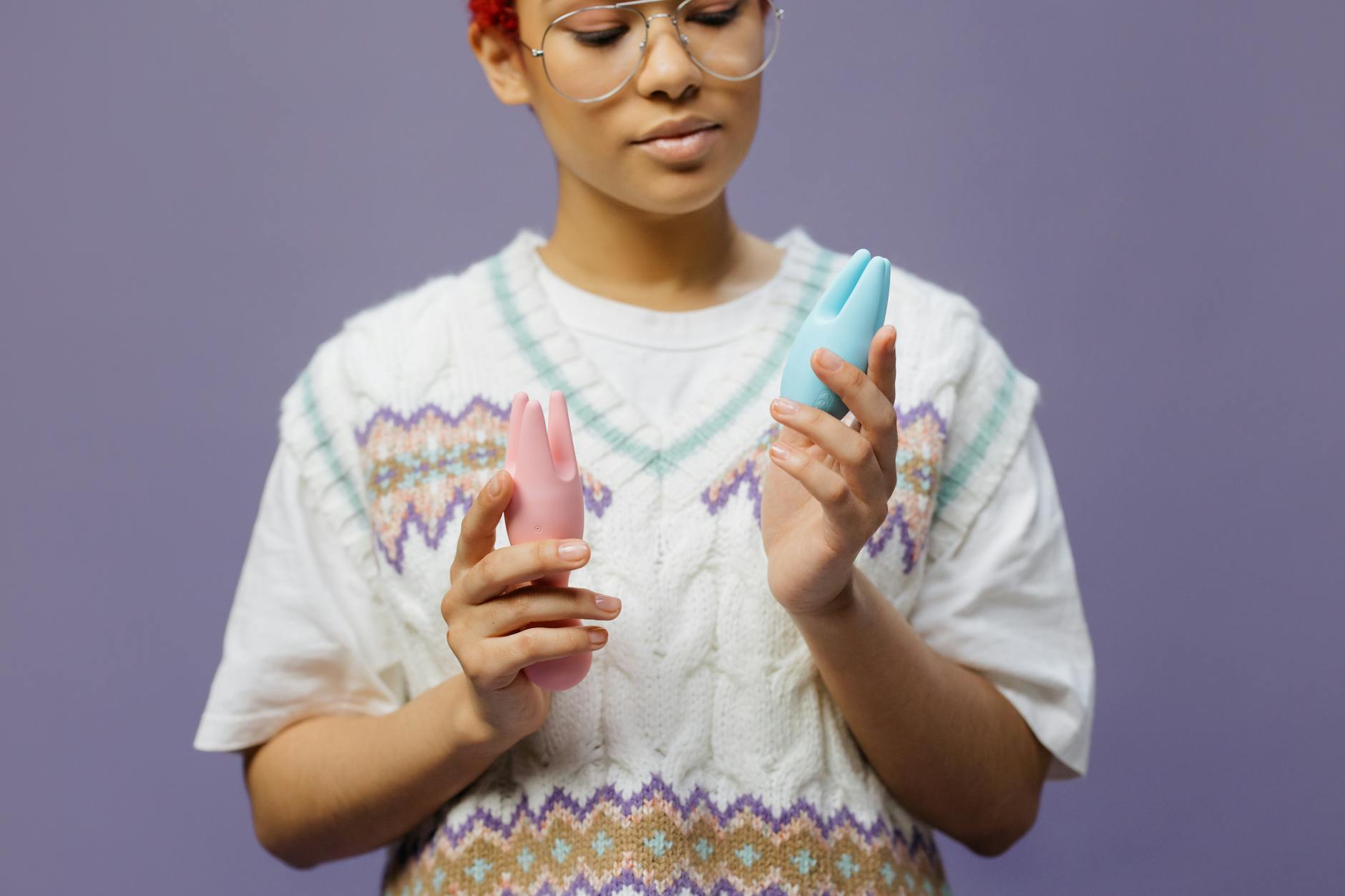
Why Lemon Vibrators Feel Different When Stress Affects Your Nervous System
Your body isn't broken. When chronic stress hijacks your nervous system, pleasure becomes harder to access. Here's exactly what's happening, and how to reclaim it.
You're not imagining it. When you're chronically stressed, pleasure actually does feel different. Not better, not more accessible. Muffled. Like you're experiencing it through several layers of glass. And the reason has everything to do with how your nervous system works.
I've had countless clients describe it the same way: "I want to feel good, but nothing lands the same." They'll use a lemon vibrator that used to give them intense sensation, and suddenly it feels... fine. Distant. Like they're watching pleasure happen to someone else.
It's not a reflection on the toy. It's not a reflection on you. It's neurobiology.
When you're under sustained stress, your body shifts into a protective state. Your sympathetic nervous system activates. Cortisol and adrenaline stay elevated. Your brain literally deprioritizes pleasure pathways in favor of threat detection. This isn't a choice your conscious mind makes. It's automatic.
Think of your nervous system as a security guard. Under normal conditions, the guard lets signals through freely. Pleasure signals, relaxation signals, all of it flows. But when there's a perceived threat (a stressful job, relationship tension, financial pressure, grief), the guard gets hypervigilant. They start screening everything. Pleasure signals get treated like suspicious packages. "Wait. Is this safe? Are we sure?" The guard blocks most of them.
This happens at a physiological level. Your parasympathetic nervous system (the one that allows pleasure, rest, and connection) basically goes offline. You're stuck in sympathetic overdrive. Arousal feels harder to access. Orgasm might feel muted or take forever. Even sensation from a lemon clitoral vibrator can feel less intense, less satisfying.
The neural pathways for pleasure are still intact. The equipment is all there. But the signal isn't getting through the same way.
Here's what matters: stress doesn't kill desire. It dulls sensation. These are different things.
You might still want pleasure, still want your partner, still want to use your lemon vibrator. But the actual physical sensation registers as quieter. Your skin feels less responsive. The clitoral tissue isn't engorging as quickly. Arousal takes longer to build because your nervous system is spending its resources on staying alert instead of letting you relax into pleasure.
Many people confuse this with low libido. They think, "I don't want sex anymore." Actually, what's happening is: "My nervous system isn't allowing me to feel it properly." Big difference in how you address it.
The good news: this is reversible. It's not permanent. But you have to address the nervous system piece, not just grab a vibrator and hope.
Cortisol is your stress hormone. When it's chronically elevated, it competes with the neurotransmitters that light up during pleasure. Dopamine and oxytocin are the big ones. High cortisol essentially crowds them out of the room.
Cortisol also increases inflammation in the pelvic region, which can make sensation feel less sharp. It constricts blood vessels slightly, which reduces blood flow to the clitoris. When you're stressed, less blood gets where it needs to go for arousal. This is why arousal takes longer, feels less intense, and why orgasm might feel more difficult to reach or less satisfying when you do.
It's also why stress can sometimes make touch feel irritating instead of pleasurable. Your nervous system is interpreting sensation as potential threat, not as something good.
Most advice about stress and pleasure starts and ends with "relax more." That's accurate but useless. You can't think your way out of a nervous system in protection mode.
Here's what actually works:
First: downregulate your nervous system intentionally. This means practices that signal safety to your body. Not meditation (which can backfire if you're already anxious). I mean: slow breathwork, progressive muscle relaxation, bilateral stimulation like walking or swimming, time in nature. These send a signal to your nervous system that the threat has passed. Only after your body believes it's safe will pleasure pathways open back up.
Second: reintroduce sensation slowly. This is where lemon vibrators shine, honestly. The suction mechanism on a lemon clitoral vibrator is gentler than traditional vibration. It builds sensation gradually rather than overwhelming your system immediately. Start at lower intensity. Use it in a context where you feel genuinely safe, not rushed or watched.
Many of my clients find that they can access sensation with a lemon vibrator when traditional vibrators feel too intense. The suction feels more like a natural physiological response instead of an external stimulus your stressed nervous system has to interpret and defend against.
Third: address the stressor if you can. Sometimes pleasure-numbing stress is chemical. Sometimes it's circumstantial. If it's circumstantial (a work situation, a relationship dynamic, financial pressure), addressing that directly will change everything. Your nervous system can't relax while the actual threat is still happening.
If it's situational but unchangeable in the short term, you need stress-management tools. Exercise helps wildly. So does therapy, especially somatic therapies that work directly with the nervous system instead of just talking about your feelings.
Here's something less obvious: sometimes the stress numbing your pleasure isn't about external life circumstances. Sometimes it's about your relationship. Unresolved conflict, mismatched desire, emotional distance. These create a different kind of nervous system dysregulation. Your body registers your partner as a source of threat (consciously or unconsciously), and pleasure pathways shut down accordingly.
I've had many clients whose sensation came back within weeks of addressing underlying relationship tension. Not by using a different toy. By addressing the emotional safety piece.
If you're in a partnership, this is worth examining. Does your nervous system feel safe with this person right now? Not in a dramatic way. Just: do you feel genuinely safe being vulnerable, being touched, being seen?
If the answer is no, a lemon vibrator isn't the problem you're solving. Connection work is.
The clitoral suction technology in lemon vibrators works differently than traditional vibration. Instead of rapid external stimulation, it creates a gentle rhythm of suction and release. This mimics natural arousal patterns more closely. Your nervous system registers it as less "alien" and more "this is happening naturally."
For people with a dysregulated nervous system, this matters. It feels safer. It doesn't trigger the same protective response as intense vibration might. You can gradually build sensation and arousal without overwhelming your already-taxed system.
The other thing: lemon vibrators tend to encourage longer sessions at lower intensities. This is exactly what your nervous system needs. You're not chasing a quick orgasm (which can feel frustrated and stressful). You're giving your body time to remember what pleasure feels like.
If you're experiencing muted pleasure because of stress, here's what to expect: nervous system regulation isn't a one-week project. It takes about 4-8 weeks of consistent practice for your nervous system to start believing it's safe again. That's not the same as complete reset. That's just the first window of noticeable change.
During those weeks, sensation will start to return. Arousal will build faster. Your lemon vibrator will start to feel more intense again. Orgasm (if it's available to you) will probably return to something closer to baseline.
But this requires consistency. A single relaxing bath doesn't rewire your nervous system. Regular practice does. Think of it like physical therapy. You're retraining your body to feel safe again.
Don't push through it. Some people think: "I'll just use a stronger vibrator, push harder, maybe it'll snap me back." That usually backfires. You're asking an already-defensive nervous system to take on more intensity. It digs in harder.
Don't assume you've lost the capacity for pleasure permanently. You haven't. Your nervous system is in protection mode. That's different from broken.
Don't ignore the stress and hope pleasure returns on its own. It won't. You have to address what's activating your nervous system in the first place.
Don't compare your arousal or sensation to what it used to be. That comparison is its own stress. Your nervous system is different right now. That's information, not failure.
Your lemon vibrator isn't the issue. Your nervous system's ability to receive pleasure is. Once you start signaling safety to your body, sensation comes back. Arousal returns. The same toy that felt distant will start to feel present again.
This is genuinely fixable. But it requires addressing the nervous system piece, not just the toy piece. If you're stuck here, talking to someone trained in somatic therapy or nervous system work can be genuinely transformative. So can reaching out to Hello Nancy. Your pleasure matters. It's worth getting back.
No. Stress can suppress sensation and arousal temporarily, but it's not permanent damage. Once your nervous system downregulates and you address what's causing the stress, sensation typically returns within weeks or months. The neural pathways for pleasure are still there. They're just being blocked by your protective nervous system.
Anxiety keeps your sympathetic nervous system activated. In that state, your body is in protection mode, not pleasure mode. Arousal takes longer, sensation feels duller, and your nervous system is essentially scanning for threat instead of opening to sensation. When you're calm, your parasympathetic nervous system activates, which allows arousal and pleasure to flow more freely. Same toy, completely different nervous system state.
You might notice small shifts within 1-2 weeks if you're consistently working on nervous system regulation. More significant changes typically appear in the 4-8 week range. Full return to baseline can take 2-3 months depending on how long the stress was active. This isn't linear. You'll have good days and harder days. That's normal.
Absolutely, but only if your nervous system feels safe with them. If relationship tension is part of what's stressing your system, addressing that directly comes first. If your relationship feels emotionally safe, having a patient partner who understands what's happening can help. Pressure to perform or forced connection makes it worse. Patience and presence help.
The suction mechanism in lemon vibrators tends to feel gentler and more gradual than traditional vibrators, which can help a dysregulated nervous system relax into sensation. That said, if vibration itself feels overwhelming, you might need to start with non-vibrational tools altogether. A lemon vibrator is often a good middle ground, but listen to what your body actually needs right now.
Not necessarily. Using it at lower intensities, for longer periods, with pressure off performing, can actually help your nervous system remember what pleasure feels like. The key is removing the expectation of climax and just letting yourself explore sensation without a goal. If vibration feels too intense, that's a signal to downregulate your nervous system first before reintroducing the toy.