Here's the thing about mismatched desire
One of you wants sex twice a week. The other wants it twice a month. No one's broken. No one's rejecting anyone on purpose. The gap just exists, and it sits between you like an argument waiting to happen.
Relationships
When one partner wants sex more often than the other, the right lemon clitoral vibrator stops resentment before it starts. Here's what actually helps.
One of you wants sex twice a week. The other wants it twice a month. No one's broken. No one's rejecting anyone on purpose. The gap just exists, and it sits between you like an argument waiting to happen.
I work with couples on this dynamic constantly. The lower-desire partner feels pressured. The higher-desire partner feels rejected. Both end up convinced something's wrong with the relationship. What's actually wrong is that they're treating desire like a problem to solve instead of a mismatch to manage.
A lemon vibrator, used intentionally, changes this conversation entirely.
First, let's kill the myth: mismatched libidos have almost nothing to do with how attracted you are to each other. Desire is shaped by stress, hormones, how seen you feel in the relationship, whether you've had enough sleep, what's happening at work, and about fifty other variables that have nothing to do with your partner's body or your feelings for them.
The problem isn't the mismatch. The problem is what happens after months of the mismatch: the higher-desire partner starts feeling unwanted. The lower-desire partner starts feeling like a sex machine instead of a person. Resentment builds quietly, and by the time you notice it, it's wrapped around both of you.
Lemon clitoral vibrators solve this by reframing what sex looks like. Instead of "partner A initiates, partner B says no or reluctantly agrees," it becomes "we're doing this together, but differently."
Let's be specific about what happens when a couple brings one into the bedroom.
The higher-desire partner's need for physical connection doesn't go away. But it stops being about penetration or a performance they're scoring internally. Instead, it becomes about presence. About watching their partner experience pleasure. About being part of something that isn't a negotiation.
The lower-desire partner gets to participate on their own terms. You don't have to be in the mood for traditional sex. You're not performing for anyone. The lemon vibrator's suction stimulation does the heavy lifting, which means your brain gets to be present instead of working to get there.
For many couples, this is the first time both people actually enjoy the sexual connection instead of one person enjoying it and the other enduring it.
Here's what I suggest to couples I work with:
Start by talking about this outside the bedroom. Not during sex, not in bed at night. Over coffee. Literally say: "I want us to find something that works for both of us, and I don't think that's what we're doing now."
Then decide: is the lemon clitoral vibrator for solo pleasure while your partner's there, or for partnered stimulation? Both work. Some couples use it so the higher-desire partner can be involved and present while the lower-desire partner gets the stimulation they need. Others use it so both people climax in the same session, which creates synchronization instead of one person racing to finish while the other waits.
Start small. The Lem by Hello Nancy's intensity is adjustable, so you can begin at the gentlest setting. There's no pressure to "perform" or reach orgasm on a timeline. You're just exploring what feels good when you're both present.
Set a boundary: this isn't about replacing your partner's touch. It's about including another option so you can both get what you need.
Traditional vibrators buzz. They're fine. But they require a certain kind of direct stimulation, and if you're not that into the moment, direct contact can feel too intense or too mechanical.
A lemon sucker uses gentle air-pulse suction technology. It doesn't require the same commitment level. You can lie back, breathe, and let it work without your brain trying so hard. For the lower-desire partner, this often means arousal actually builds instead of staying stuck at neutral.
For the higher-desire partner, watching this shift happen in your partner's body is genuinely arousing. You're not pushing someone into something. You're witnessing them open up. That's a completely different dynamic.

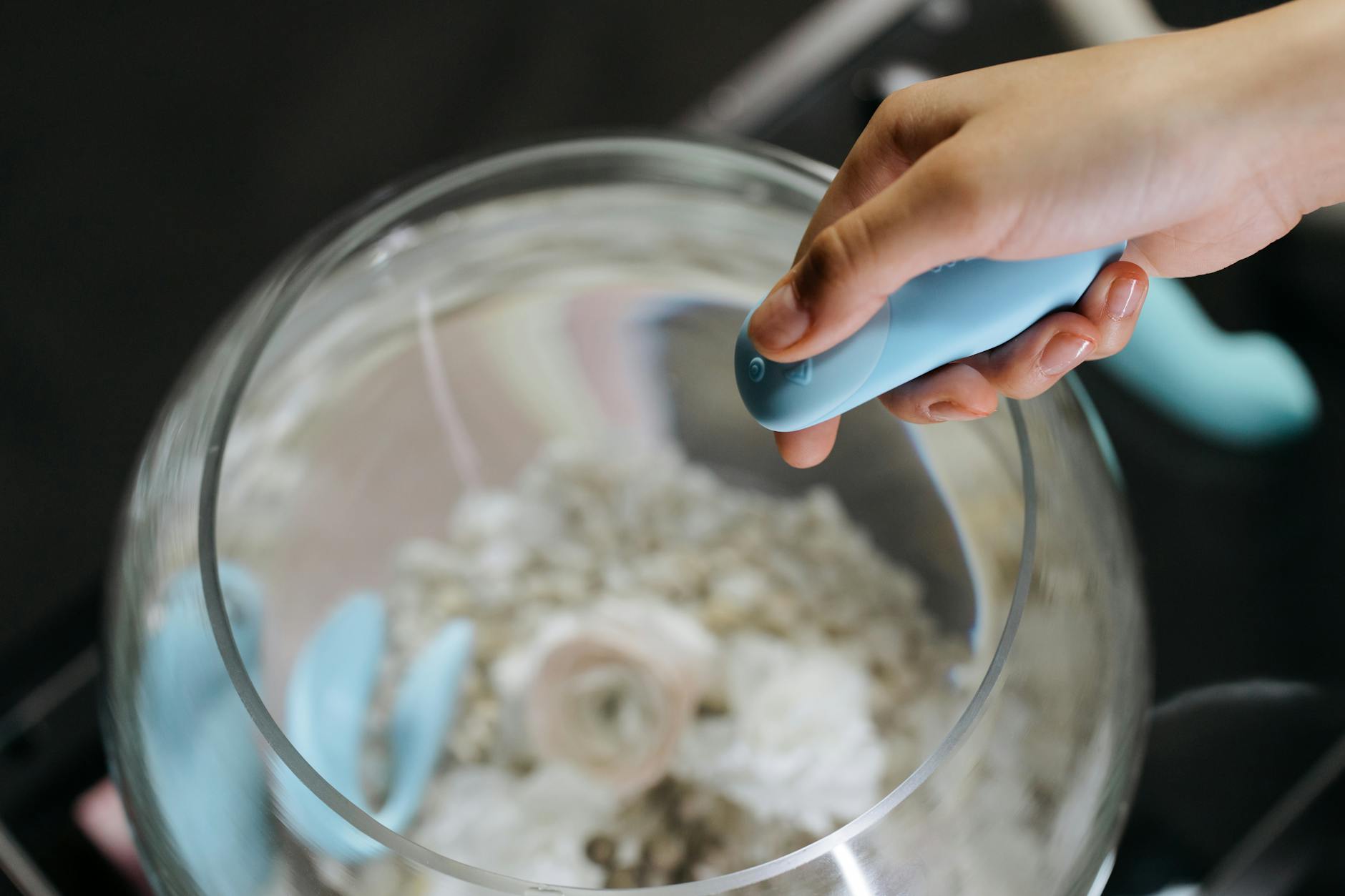
Photo by SHVETS production on Pexels
Introducing a vibrator into a relationship with mismatched desire is actually easier than most couples think. The hard part is the conversation that comes after.
If the lower-desire partner suddenly has an orgasm with the vibrator, the higher-desire partner might think "okay, so now we can have sex more often." That's the trap. The vibrator isn't a magic key to more frequent sex. It's a tool to make existing sexual connection better for both people.
You might use the Lem three times a month instead of once. You might use it differently than you expected. The point is: you're both getting something from the interaction instead of one person getting what they want and the other person enduring.
Set expectations around this. Talk about what "success" actually looks like. Spoiler: it's not more frequent sex. It's less resentment. More genuine connection. Fewer arguments about why you're not having sex.
Sometimes lower desire is a symptom of something deeper. If your partner has lost interest in sex specifically with you but not in general, that's different. If they're avoiding intimacy because they're angry about something unspoken, the lemon vibrator won't fix it.
See a couples therapist before you assume a toy will solve the problem. A good therapist can help you figure out whether this is a natural difference in desire or whether it's pointing to something else that needs attention.
That said, if you've already done that work, or if you're just dealing with a genuine mismatch in how often you want sex, a lemon clitoral vibrator can genuinely change how you connect.
Here's what I notice with couples who get this right: the higher-desire partner stops feeling rejected because the interaction isn't about rejection. The lower-desire partner stops feeling like a vending machine because they're actually enjoying what's happening.
You both remember why you wanted to be naked together in the first place. Not because you're having more sex. Because the sex you are having feels good to both of you.
That's not nothing. That's actually everything.
Have this conversation directly. Say: "This isn't about you not being enough. It's about us finding something that works for both of us. Right now, what we're doing isn't working, and I don't want to resent you or have you resent me." Frame it as a couple's solution, not a personal rejection. If they've read How to Introduce a Lemon Vibrator to Your Partner When They're Hesitant, that often helps.
Absolutely. You don't have to wait until there's conflict. Using a lemon clitoral vibrator now can actually prevent resentment from building later. It also gives the lower-desire partner more control, which often makes them feel safer saying yes.
There's no "should." Start with once every two weeks and see how it feels. Some couples naturally land on once a week. Others use it sporadically. The point is you're doing it together, not one person initiating and the other saying no.
That's actually great. It means you've found something that works for them. The answer isn't to limit it. The answer is to get curious about why it works so well and whether your regular intimate connection is suffering because of it. Usually it's not.
No. Compatibility means you can adapt and find solutions together. Most couples aren't naturally compatible in exactly one way. The compatible ones are the ones who figure it out. A lemon sucker is just a tool that helps you both feel good.
Then you have a communication problem that goes deeper than desire mismatch. Consider seeing a couples therapist. They can help you both understand what the real resistance is about. Sometimes it's about the vibrator. Sometimes it's about feeling unheard in the relationship. Get that clear before you assume the toy will solve anything.